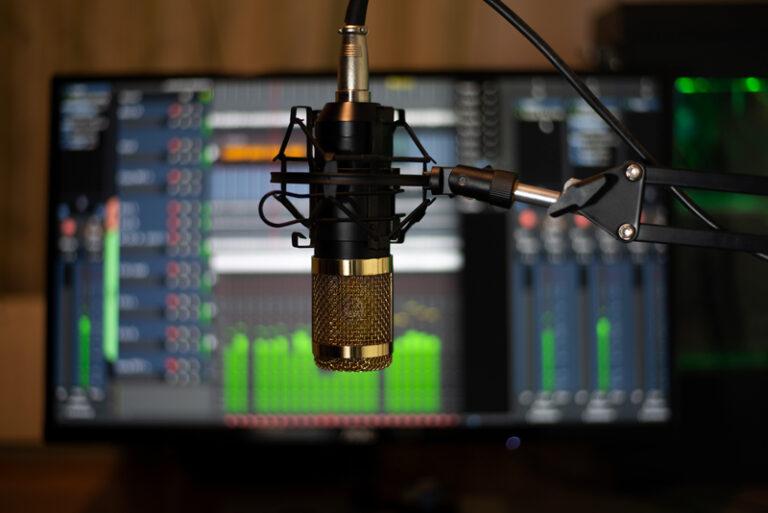

Short answer: a complete free vocal chain exists and it’s genuinely good — TDR Nova for dynamic EQ, Spitfish for de-essing, Limiter №6 for control, Valhalla Supermassive for space and Youlean Loudness Meter to keep you honest. Paid plugins buy workflow and character, not results you otherwise couldn’t reach.
10 Tools We Actually Recommend at Major Mixing
Vocal production is at the heart of what we do at Major Mixing – and over the years, we’ve worked with artists across all genres, from indie newcomers to platinum-level hitmakers. While we rely heavily on premium tools in daily client sessions, we’ve also kept an eye on the free plugin world. And we’ll be honest – some of them genuinely surprised us.
If you’re an artist or producer working on a budget, these fully free VST plugins can help you get pro-quality vocal results without spending a dime. These are the ones we’ve tested, rated, and would confidently recommend to anyone looking to upgrade their vocal chain.
1. TDR Nova – Tokyo Dawn Labs
This one’s a no-brainer. Nova is a dynamic EQ that works like a surgical tool on vocals. You can cut, boost, or let it react dynamically to specific frequencies – perfect for de-essing, controlling boxiness, or smoothing out harsh top end.
What stands out most is how transparent and precise it sounds. You can really zero in on problem areas without messing with the overall character of the voice. It’s one of the most powerful free plugins we’ve seen – and totally reliable for vocal cleanup and polish.
2. Valhalla Supermassive
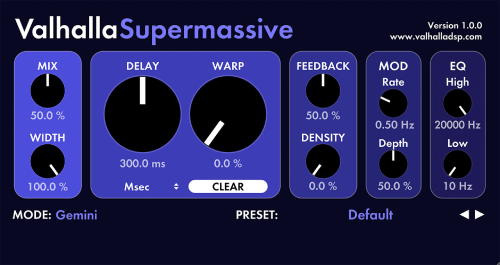 A favorite for creative vocal effects, Supermassive delivers massive, spacey reverb and delay textures with ease. We use it for reverb throws, risers, ambient backgrounds – basically anything that needs atmosphere, width, or drama.
There’s a reason so many pros use this, even with all their paid plugins. The flexibility is wild, and it always sounds lush, not cheap or metallic.
3. Limiter №6 – VladG Sound
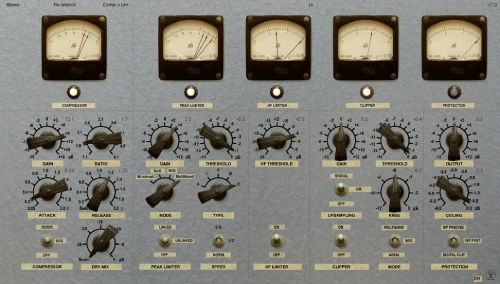 This multi-stage limiter is incredibly versatile – and while it’s often used for mastering, we’ve had great results running vocal buses through it. With proper gain staging, it keeps vocals controlled and upfront without flattening dynamics.
It features compression, peak limiting, HF limiting, clipping, and more. Once you dial it in, it handles vocal peaks smoothly and transparently. A great final stage if you’re mixing vocals and want a touch of extra loudness and control.
4. Voxengo OldSkoolVerb
When we need a warm, natural reverb that doesn’t overwhelm the vocal, OldSkoolVerb still holds its ground. It has a slightly vintage tone that fits beautifully in ballads, indie pop, R&B, or acoustic mixes.
The plate and room modes are especially nice. It gives the vocal space to breathe without getting washed out or lost. Simple, effective, and consistently musical – this one’s been around for a reason.
5. Youlean Loudness Meter 2 (Free Version)
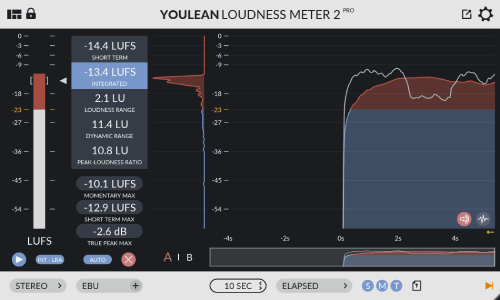 Not a sound-shaping tool, but an essential one. We use this to check loudness levels (LUFS), dynamics, and peak values – especially when prepping tracks for streaming platforms or YouTube.
It helps make sure your song stay competitive in perceived volume, and don’t trigger over-limiting downstream. It’s accurate, fast, and something we recommend for any serious mixing workflow – even if you already have a loudness meter.
6. Spitfish De-Esser – Digitalfishphones
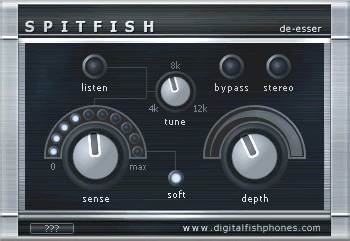 While it’s been around forever, Spitfish still handles harsh sibilance like a pro. It’s not the most modern UI, and you don’t get surgical control, but for simple de-essing that sounds musical – it does the job.
We use it on BGVs and quick edits when we want a clean, fast solution. It reacts naturally and won’t wreck your top end, which is more than we can say for some newer alternatives.
7. Pitchproof – Aegean Music
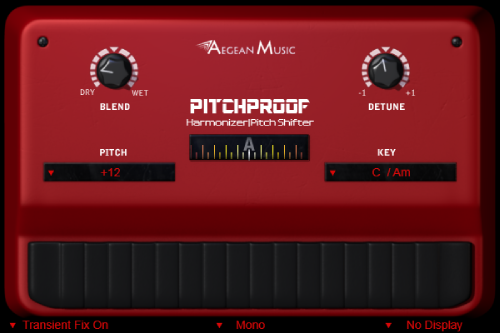 Pitchproof gives you instant pitch shifting and harmonies – ideal for experimental or modern vocal FX. You can double, detune, or create harmonized layers in real time.
It’s great for backing vocals, vocoder-style textures, or even lead vocals when you want a robotic or stylized feel. If you’re into pop, hip-hop, or hyperpop production, this one opens a lot of creative doors.
8. Acon Digital Multiply
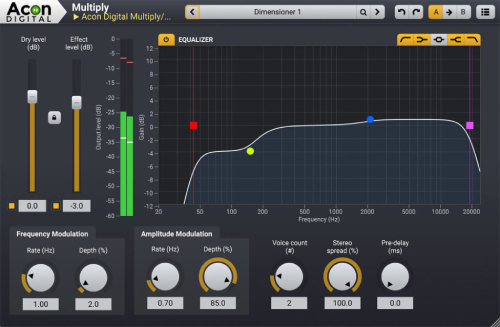 Multiply adds a smooth, stereo-spread chorus effect without creating weird phase issues. It’s especially good on stacks or thinner vocals that need width.
You can adjust the number of voices, tweak the modulation, and even EQ the result. It works nicely in a subtle way – you’ll feel the thickness more than you hear the effect, which is exactly what we want in most cases.
9. MeldaProduction MAutopan
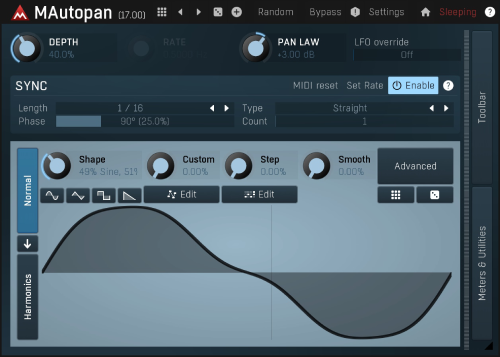 Great for stereo movement and interest, especially on backing vocals, delays, or adlibs. MAutopan lets you sync panning to tempo, customize LFOs, and create interesting rhythmic movement.
It’s not a plugin we use on leads, but it’s great for giving spatial life to background parts that need a little more character without using reverb or delay.
10. Kilohearts Reverser
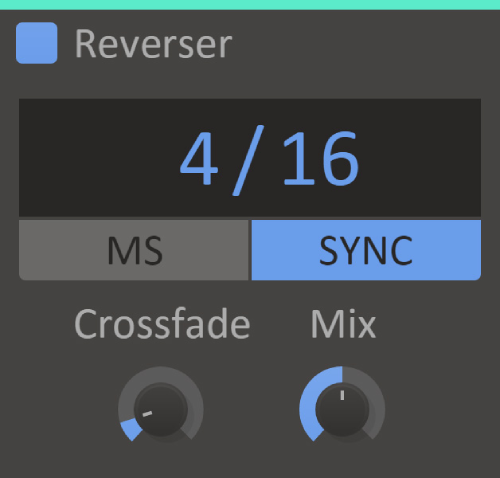 Reverser is a fun creative effect – it chops incoming audio and plays it back in reverse instantly. We’ve used it for building reversed vocal throws, glitchy fills, and eerie transitions.
It’s a one-trick pony, but it’s a cool trick. If you’re producing edgy or cinematic material, this is a great way to spice up dry vocal phrases and transitions.
Final Thoughts
At Major Mixing, we work with a lot of artists who are just starting out – and we’re always happy to help them build smart vocal chains that don’t rely on expensive plugins. The 10 listed here are free, powerful, and more than capable of delivering polished, pro-level vocal sounds in 2025.
We’ve tested them on real mixes, across genres and vocal types, and they’ve earned our trust. Whether you’re just starting out or building a pro home setup, these tools can help elevate your sound.
Looking to go even further? We’re always happy to collaborate. If you’re working on music and want a fresh set of ears or a pro-level mixdown, drop us a line at majormixing.com let’s make something great together.
| Job | Plugin | Why this one |
|---|---|---|
| Dynamic EQ | TDR Nova | Does the work of an EQ and a multiband compressor at once. The most capable free processor on this list. |
| De-essing | Spitfish | Simple, fast, and effective on the sibilance a compressor has just made louder. |
| Limiting | Limiter №6 | Several stages in series, so no single one has to work hard enough to be audible. |
| Reverb, character | Valhalla Supermassive | Long, wide, modulated spaces. Best on effects sends rather than as a room. |
| Reverb, natural | Voxengo OldSkoolVerb | Plain and believable when you want space rather than an effect. |
| Metering | Youlean Loudness Meter | LUFS and true peak, so you know where the master actually sits. |
| Pitch effects | Pitchproof | Harmonies and pitch shifting without a subscription. |
Full write-ups are below. The chain above will finish a release — what paid plugins add is speed and colour, not a ceiling you can’t otherwise reach.
If the vocal needs more than a plugin, our manual vocal editing (Melodyne, by hand) starts at $58 per song, and online mixing from $113.
Free vocal plugins FAQ
Can free plugins really produce a release-quality vocal?
Yes. The chain above covers EQ, de-essing, dynamics, space and metering, which is everything a vocal needs. Free plugins have closed most of the gap; what’s left is workflow and character rather than capability.
What order should a vocal chain go in?
Typically subtractive EQ, compression, de-esser, tonal EQ, then reverb and delay on sends. The de-esser sits after the compressor because compression is what raised the sibilance in the first place.
Are free plugins safe to install?
From the developers’ own sites, yes. Avoid aggregator sites and anything cracked — besides the legal issue, cracked installers are a well-known malware route. Every plugin here comes from an established developer.
When is it worth paying for plugins?
When a specific workflow saves you real time, or when you want a particular colour you can identify. Buying because something is free-and-therefore-lesser is the wrong reason — the free chain above is used on paid work.
Do free plugins sound worse than paid ones?
Not inherently. A clean EQ is a clean EQ. Where paid tools genuinely lead is in analogue modelling, metering depth and interfaces that make decisions faster — none of which changes what’s achievable.
What’s the one plugin worth paying for first?
Usually a resonance suppressor like soothe2, because nothing free does that job as well. Beyond that, acoustic treatment returns more than any plugin purchase at the same price.
Send us a song you are working on
A rough demo is fine — it does not need to be mixed. A named engineer listens on studio monitors and writes back exactly what is holding the track back, and what to do about it.
- Usually within two working days
- No card, no obligation
- 11,000+ projects behind the answer
Order Complete Mixing and Mastering What it includes All prices