Short answer: double tracking means recording the same part twice and panning the takes apart. The width comes from the small differences between two human performances — timing, pitch, tone — which is why a copied and delayed track never sounds the same. Use it on chorus vocals and rhythm guitars; keep lead verses single so the doubles have somewhere to lift.
How to Make Your Vocals Sound Bigger, Fuller, and More Professional
When you listen to a finished track and wonder why the vocals sound so wide, rich, and present — there’s a good chance double tracking is part of the reason. It’s one of the oldest and most effective techniques in music production, and at Major Mixing, we use it on everything from pop and rock to rap and indie vocals.
Let’s break down what double tracking is, why it works, and how to use it in your own songs.
What Is Double Tracking?
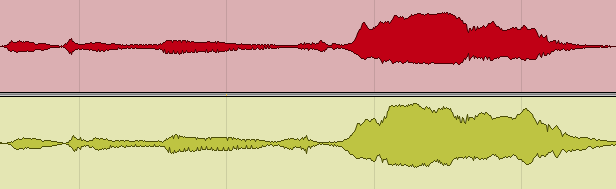 Double tracking means recording the same vocal (or instrument) part twice — on two separate takes — and layering them together in the mix.
It’s not just copying and pasting the same audio twice. That would just make the volume louder. The real magic comes from recording the same performance again, with natural differences in timing, pitch, and expression. When you layer those two slightly different takes, it creates a thicker, more dimensional sound.
Think of it like this:
One vocal = center
Two takes = width, depth, and presence
Why Producers Use Double Tracking
Here’s what makes double tracking such a powerful tool in production:
-
Fuller sound: Doubling adds body to thin vocals or instruments.
-
Stereo width: Pan each take left and right for a natural wide sound.
-
Layered feel: Adds emotional weight, especially in choruses or hooks.
-
Imperfections create realism: Slight timing or tone differences make it feel more human and musical.
At Major Mixing, we often use double tracking on lead vocals, guitar lines, synth textures, and even ad-libs to give a track that polished, layered feel.
Common Places to Use It
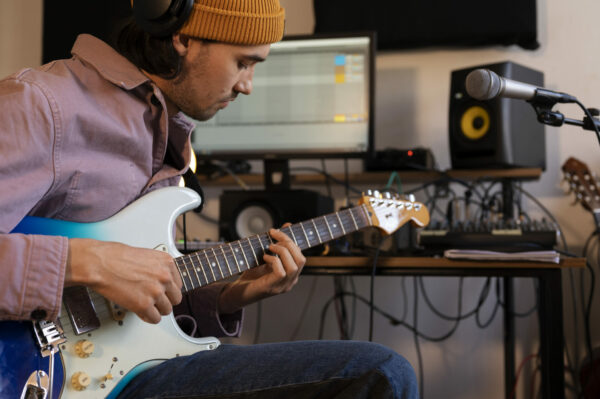 Here’s where double tracking shines most:
🔹 Lead Vocals (Especially Choruses)
Recording a second take of your lead vocal and blending it in subtly can make a chorus explode with energy. You can pan the doubles slightly or keep them centered and tucked underneath the main vocal for thickness.
🔹 Doubles and Harmonies
Many artists double their entire vocal part and add harmonies above or below. This creates a wall of sound that still feels natural — perfect for pop and hip-hop.
🔹 Instruments
Electric guitars, synth leads, even acoustic strums benefit from double tracking. Pan each take opposite and you get instant width.
Tips for Recording Doubles the Right Way
-
Perform It Again (Don’t Duplicate):
Always record a new take. Copy-pasting won’t get the natural phasing and tone differences that make the effect work. -
Be Consistent, Not Identical:
Stay in rhythm and pitch, but don’t worry about being 100% perfect. The small imperfections make it sound alive. -
Match Microphone Settings and Distance:
Keep your setup identical to your original take so the tone stays consistent. -
Use Automation and Panning in the Mix:
Pan doubles slightly left/right and adjust volume so they sit just under the main vocal — not on top of it.
Bonus: Artificial Doubling
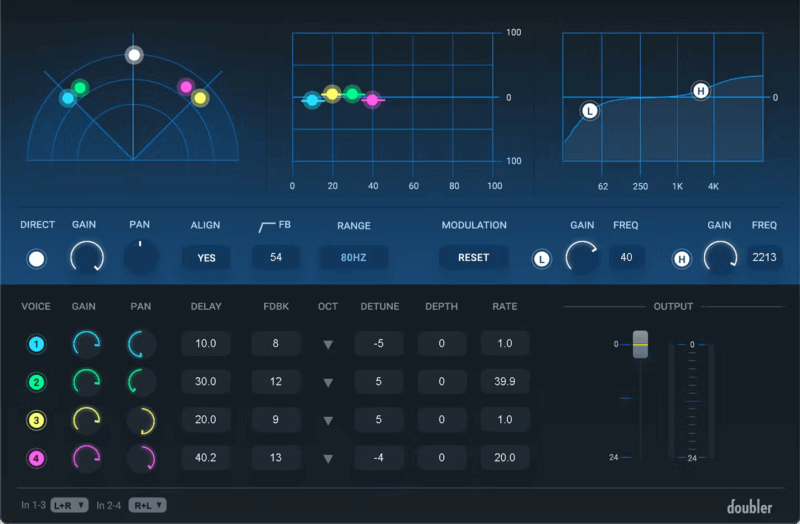 Can’t record another take? You can fake it — kind of.
Plugins like:
-
Waves Doubler
-
ADT (Automatic Double Tracking) plugins
-
Eventide H3000 / MicroPitch
-
Soundtoys MicroShift
These simulate the effect by slightly detuning and delaying your vocal. It’s not as real as the real thing, but it can work for quick demos or FX layers.
Final Thoughts
Double tracking is one of those simple techniques that consistently delivers pro-level results. It adds width, depth, and character to your sound — whether you’re working with vocals, guitars, or even synths.
At Major Mixing, we use double tracking techniques in our mixing sessions to help artists sound larger-than-life without over-processing their tracks. If you want your vocals to hit harder, feel fuller, and sit perfectly in the mix, we’ve got you covered.
🎙️ Need your doubled vocals mixed the right way?
Visit Online Mixing and Mastering Services – Major Mixing — we’ll help you shape your sound with clarity, power, and pro-level depth.
| Source | How to use it | Panning |
|---|---|---|
| Lead vocal, chorus | Two full takes under the main vocal, quieter. | Around 30–50% left and right. |
| Lead vocal, verse | Usually single, so the chorus has contrast. | Centre. |
| Harmonies | Double each harmony line separately. | Wider than the lead doubles. |
| Rhythm guitars | Two separate performances, never a copy. | Hard left and hard right. |
| Ad-libs | Single is usually enough — they are already an accent. | Wherever the arrangement has space. |
| Bass | Rarely. Doubling low end causes phase problems. | Centre. |
The last row is the one worth remembering. Doubling works because two takes differ slightly — and in the low end those same differences cause cancellation rather than width.
When the track is ready for the final stage, our engineers handle mixing and mastering from $133 per song, 2–3 days per song, 6 revision rounds included. Prices for every service are on the pricing page.
Double tracking FAQ
Can I copy a track instead of recording it twice?
No — an identical copy just makes the original louder, and delaying it creates comb filtering rather than width. The effect depends on two genuinely different performances.
How many doubles should a vocal have?
Two is standard for a chorus. Four can work on a big production, but past that you lose definition and the lead starts to blur. More layers is not more impact.
Should doubles be tuned and timed to the lead?
Lightly. Tighten what’s distracting and leave the rest — the small differences are the entire point. Aligning doubles perfectly to the lead removes the width you recorded them for.
Do artificial doublers work?
They help, and they’re useful when re-recording isn’t an option. The good ones vary pitch and timing rather than just delaying. They still don’t match two real takes, but they get closer than a copy does.
How loud should doubles sit?
Under the lead, supporting rather than competing — often noticeably quieter than feels right when soloed. If you can pick the doubles out individually in the mix, they’re too loud.
Should doubles be processed like the lead?
No. Usually duller and more compressed, so they add body without competing for presence. Cutting the high end on doubles keeps the lead’s clarity intact.
Send us a song you are working on
A rough demo is fine — it does not need to be mixed. A named engineer listens on studio monitors and writes back exactly what is holding the track back, and what to do about it.
- Usually within two working days
- No card, no obligation
- 11,000+ projects behind the answer
Order Complete Mixing and Mastering What it includes All prices