
We use cookies to run this site and, with your permission, to measure traffic and personalize ads. Choose what you're comfortable with below. See our Terms & Privacy Policy for details.
Required for the site and checkout to work. Cannot be turned off.
Helps us understand how visitors use the site (Google Analytics).
Used for ad measurement and personalization (Google Ads, Meta).
A producer sees their own records.
Not a course from zero, and not a survey of every genre ever made. This is how commercial records get built today — kick, snare, 808, layers, leads, vocals, mix, master — element by element, by the engineers other producers send their work to, with the mistakes and the moves that nobody teaches.
Work released through Universal, Warner, Spinnin’ and Eurovision.






Every production course is taught by a producer. A producer can only teach you their own path — one person’s habits, one person’s genre, one person’s answers to the problems they personally ran into. That is the ceiling of the format, and it is not a criticism. It is arithmetic.
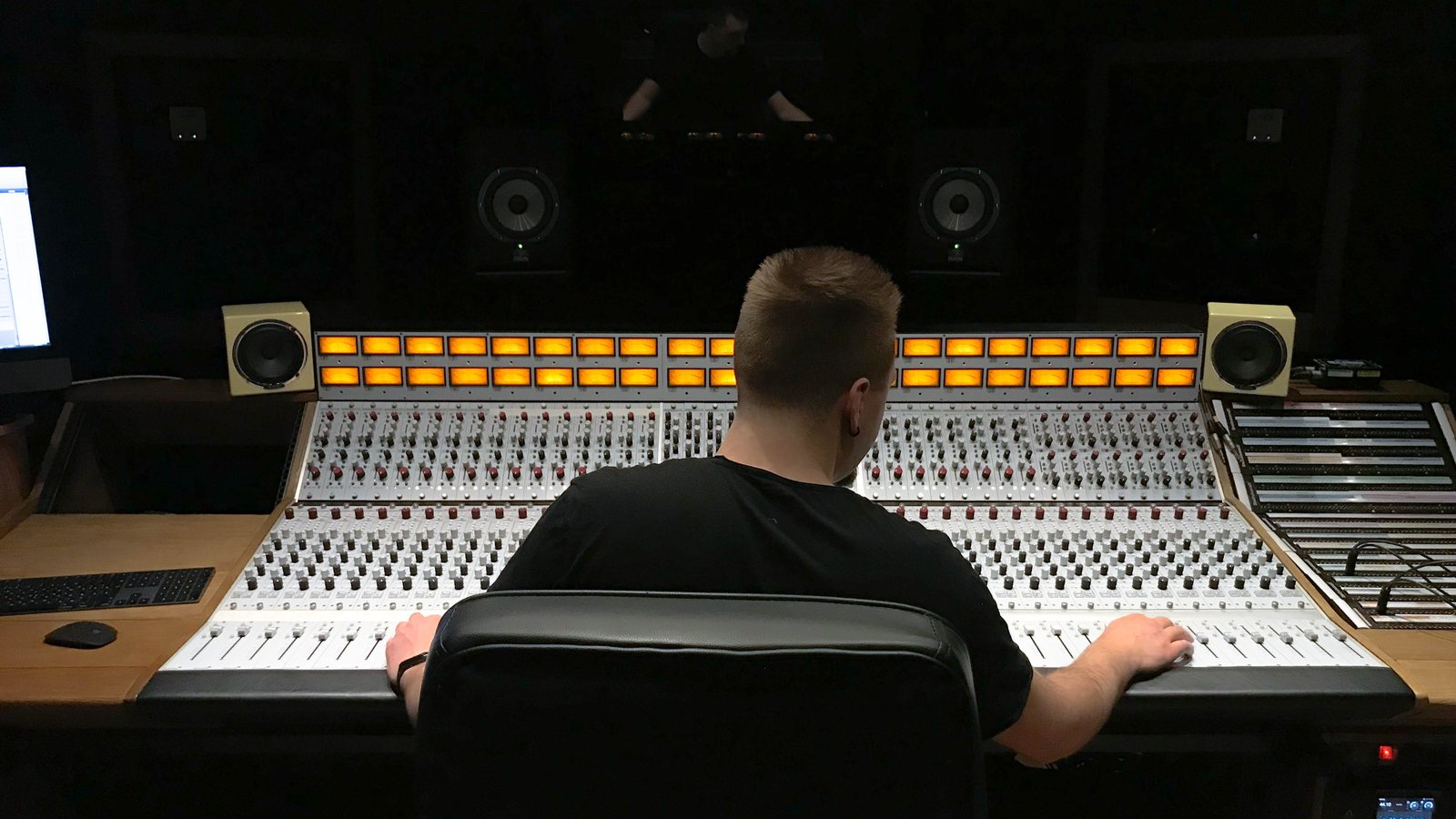
We sit somewhere else in the chain. Since 2019, artists and producers have sent us their finished work to mix and master — more than eleven thousand projects. Which means we have not seen one person’s decisions. We have seen eleven thousand people’s decisions, and, more usefully, the exact moment each of those records broke.
We would fix them quietly, send them back, and never explain what actually happened, because that isn’t what you paid us for. You paid for a mix, not a lecture.
This course is the whole team finally explaining it.
Nobody else can teach this, and not because we are cleverer. To gather it you would have to spend a decade on the receiving end of other people’s raw sessions. That job was taken.
So the diagnosis went unsaid, eleven thousand times.
These are free. If you recognise yourself in them, you already know whether the course is for you.
This is the single place most producers lose a record without knowing it. The sound you choose has already decided how your mix will end — whether it will sit, whether it will fight, whether anything downstream can rescue it. No amount of EQ makes two sounds stop competing for the same space. You have to hear it before you commit, and almost nobody is taught how.
Frequency space, dynamics, tension and release — roughly 80% of what people call “mixing” is settled here, before a single fader moves. When a chorus does not lift, the fix is usually four steps upstream. That is why so many mixes never land: the mix was not the problem.
Gain, room, mic choice, takes, comping. A session recorded well gives whoever mixes it options. A session recorded carelessly spends its budget on repair, and the result is a record that sounds fine on its own and small next to a commercial release.
The big courses teach you the software from zero, and half of it is padding you could find free. This one assumes you can already open a session. Every module goes straight to the part that decides whether the element works: where it goes wrong, its softest spot, and the move a working engineer actually makes.
Every module carries the failures with it — where this element usually goes wrong, the softest spot in it, and the move that fixes it. That list can only be gathered from the receiving end of other people’s sessions, and that is where we sit.
10 hours 22 minutes across 21 modules, six months to record. Not a weekend’s worth of screen capture.
500+ million streams. Gold records. Latin Grammy-nominated work. 11,000+ projects. Apple Digital Masters certified, Dolby Atmos provider, work released through Universal, Warner, Spinnin’ and Eurovision.
It teaches the layer underneath the tools: how hearing works, how attention works, why one arrangement lands and another doesn’t. Physics and psychoacoustics do not get software updates.
Downloaded to your own drive. No Udemy, no Teachable, nobody taking a cut or controlling access. No DRM, no login, no expiry, no subscription.
AI replaces people who only knew how to execute. It does not know what your record is supposed to feel like, and it cannot be told, because you cannot describe it until you can hear it.
The better the tools get, the more everything depends on judgment — and judgment is built on fundamentals. A model will happily balance a mix whose problem was decided three steps earlier, in the arrangement, and hand it back to you polished and still wrong.
Learn the base. Then use every tool you want, including the ones that don’t exist yet. Plugin tutorials expire in about three years. Understanding why a chorus lifts does not.
The Major Mixing Production Course is a self-paced course in commercial music production. It builds a record element by element: hardware, daily workflow, DAW template and session prep, then kick, snare, hats, percussion, 808, bass, accompaniment, layers, leads, FX, ear candies and vocals, and finally the mix and the master. Each module carries the recurring mistakes for that element — where it goes wrong, its softest spot, and the fix. 21 modules, 10 hours 22 minutes, 22.53 GB, $500 once, downloaded and owned outright.
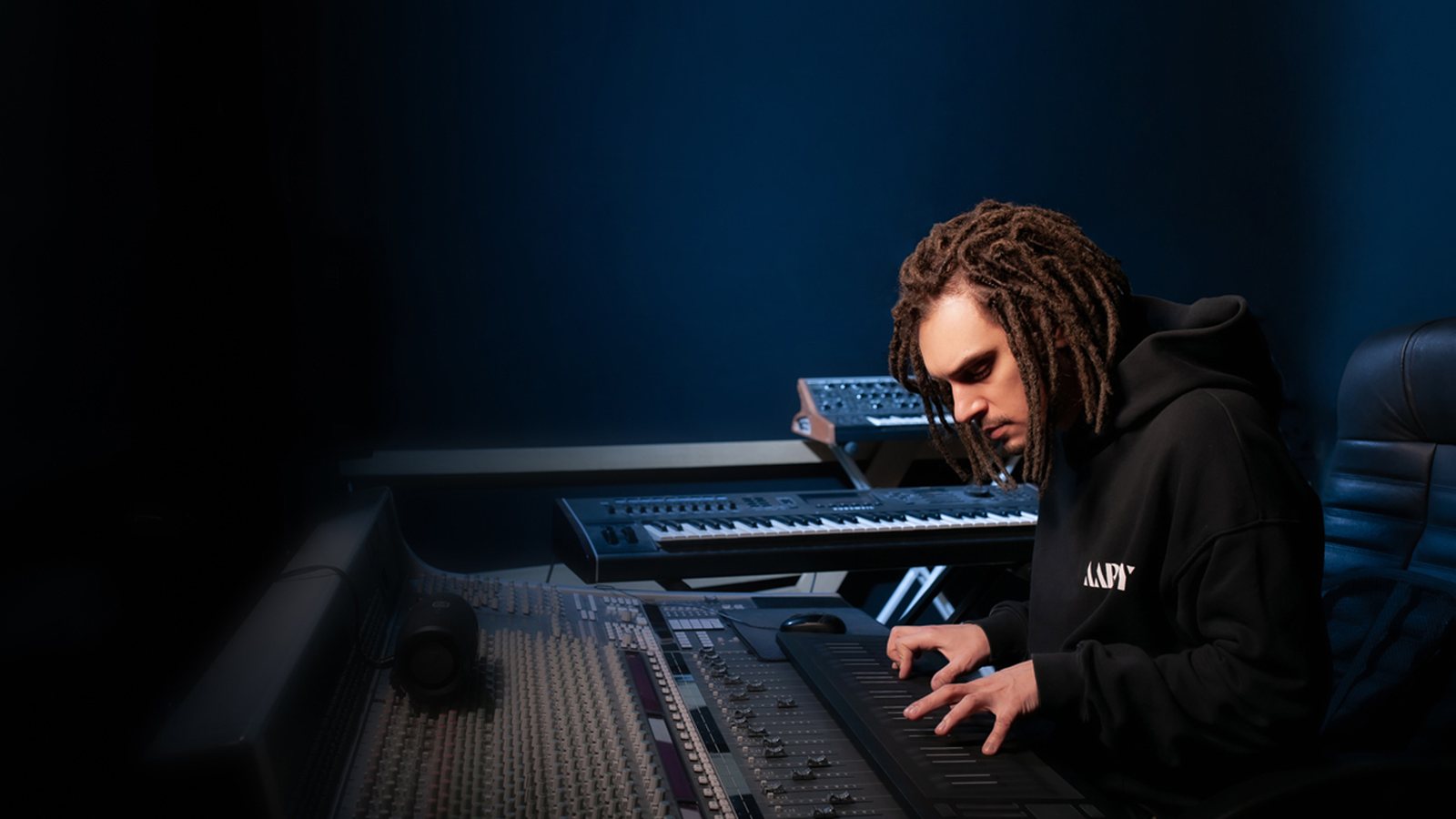
21 modules · 10 hours 22 minutes · 22.53 GB. Plus an intro, and 128 samples.
Technically competent, releases music, has a workflow. The records sound fine in isolation and small next to commercial releases. You believe the problem is mixing or gear. It usually isn’t.
You write and record vocals or instruments at home and send out for mixing. Every project costs more than it should, because the source material creates the work. This pays for itself in one release.
You know the tools and cannot articulate why some records work. You need the reasoning layer, not more tutorials.
It starts at the beginning and covers everything in order, which is not true of most advanced courses.
Do not buy this if you can open a raw session and immediately identify why the low end won’t work, why the arrangement collapses in the chorus, and which of twelve vocal takes to comp from — you already have what this teaches. And don’t buy it if you make orchestral, jazz or acoustic folk: this is built around how commercial records are put together, and most of it would be about somebody else’s music.
Major Mixing is a mixing and mastering studio in Rubí, just outside Barcelona, working with independent artists, managers and labels worldwide — analogue and digital, every genre, including Dolby Atmos.
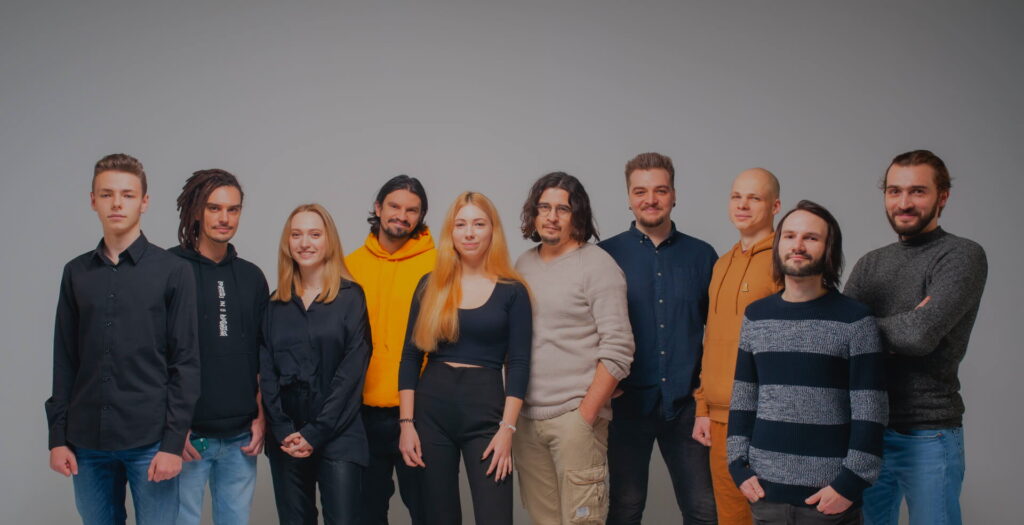
This course was made by that team, not by one person with a screen recorder. The material in it is the studio’s own working method — the same order of decisions our engineers use on client records every week, and the same list of failures they keep running into in other people’s sessions.
The studio has run since 2019 on an arrangement that keeps us honest: six revision rounds on every order, and a full refund if the record still is not right after them. That only survives if the work lands, and it is the reason more than eleven thousand projects have come through here. See the credits — 70 artists, every track linked to Spotify.
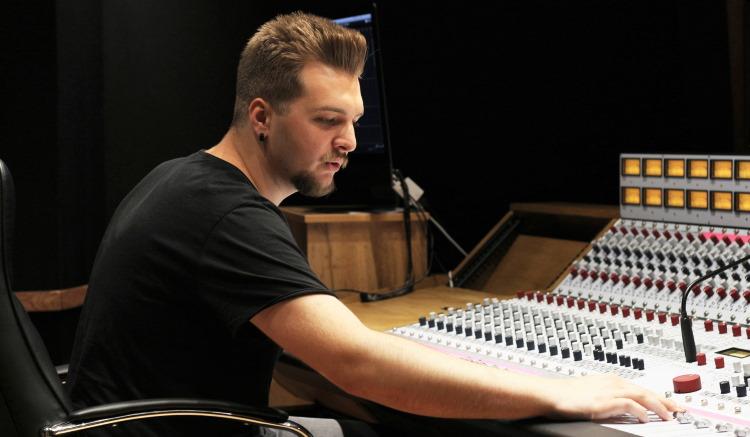
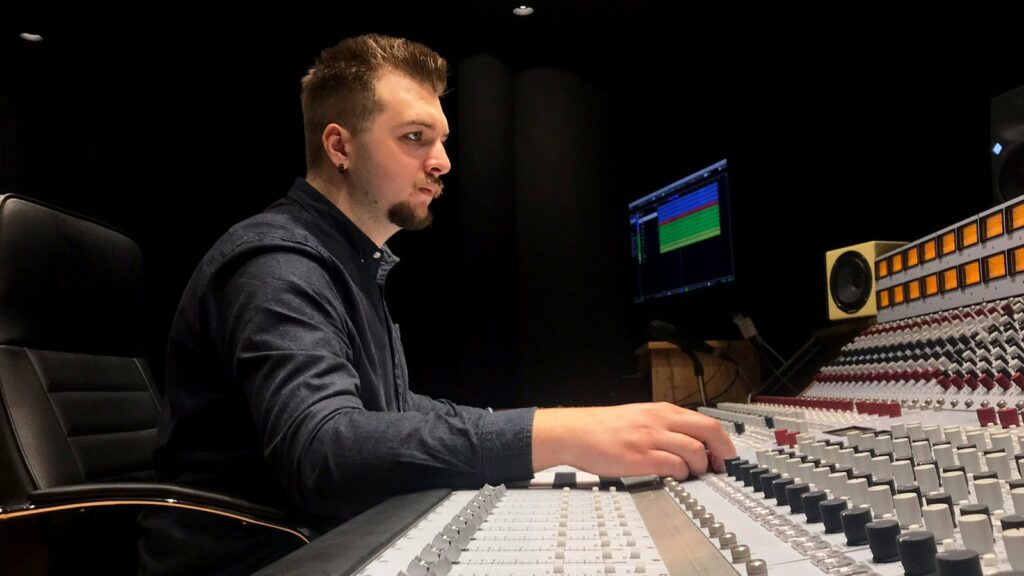
Founder and chief mixing and mastering engineer
Mixing and mastering engineer, sound producer, composer · 15+ years
Every line above is checkable. Ivan’s full CV and credit database are public at serialunit.com; the studio’s discography, with a Spotify link on every track, is at majormixing.com/credits.
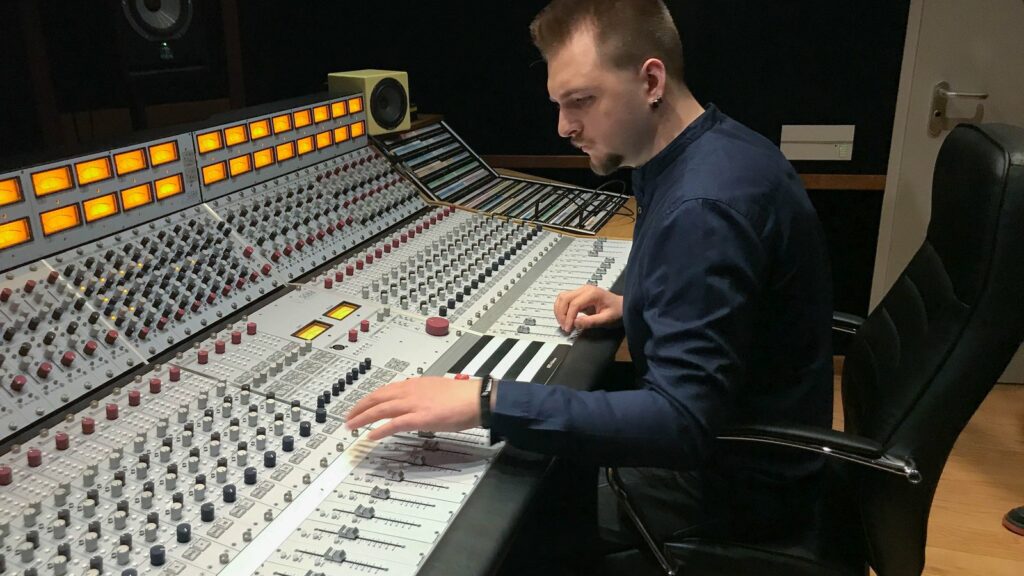
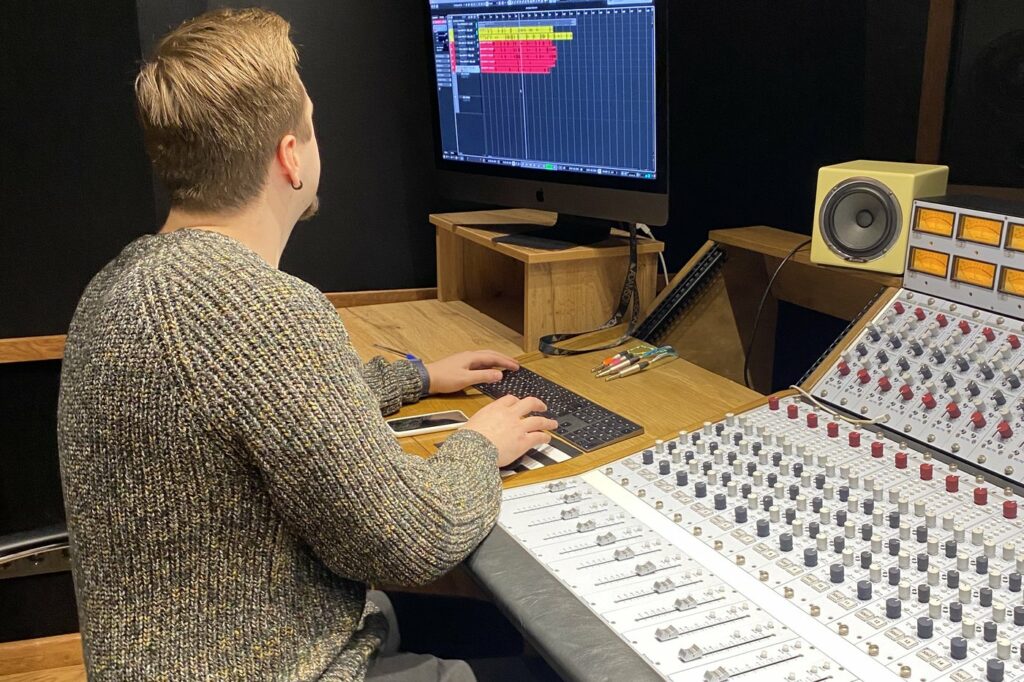
| Production Course — 21 modules, 10 h 22 m, 22.53 GB | included |
| The recurring mistakes for each element — cause and fix, module by module | included |
| Sample library — 128 one-shots across 8 categories | included |
| Lifetime updates, free, forever | included |
| Price | $500, one payment |
Watch it. If you don’t think it was worth $500, reply to the receipt and get a full refund. Keep the files either way. No form, no argument, no “what did you not like about it”.
Card, Apple Pay or Google Pay. We never see your card details — Stripe handles the payment end to end.
Stripe returns you to a page on this site with the link on it. The same link is emailed to the address on your receipt, so nothing depends on that one tab staying open.
22.53 GB of video and samples onto your own drive. No account, no player to install, no expiry. Updates are free and announced by email.
This is built in the order you actually work, so value doesn’t depend on finishing. Watch the sound selection module this week and your next track improves this week.
Stripe sends you straight back to a download page on this site, and the same link goes to the email address on your receipt within a minute. Nothing is shipped by hand and nobody has to be awake for it — you can buy it at 3am and start immediately.
Start with the module that fixes your current bottleneck. A few hours on recording improves every vocal you record for the rest of your life.
If you can diagnose a raw session instantly, don’t buy this. Almost nobody can — and most who think they can are the ones sending us sessions with all three classic mistakes in them.
It is built for commercial music — what actually gets released and playlisted now. Not only pop: hip-hop, R&B, electronic, afro, latin, commercial rock, anything cut for streaming. The modules are named after the parts those records are made of, which is why they are 808 and layers and ear candies rather than counterpoint. If you write orchestral or acoustic-folk records, the mixing and mastering modules still apply, but most of the course will not be about your music. Say so and don’t buy it.
English. The video files play in anything — there is no player and no plugin to install. The reasoning is DAW-independent: whatever you already work in is the right one for this.
Because we see what happens after everyone else has made their decisions. Five thousand people’s work, plus the moment each one broke.
Thirty-day full refund and you keep the files. The risk sits entirely on our side.
It is 22.53 GB, so use a stable connection and leave room on the drive. There is no account to make and no expiry — it is yours once it is on your disk, and you can download it again later from the same link.
One payment of $500. 21 modules, 10 hours 22 minutes, 22.53 GB, and 128 samples. Thirty days to change your mind, and you keep the files regardless.