
Short answer: producers need far less theory than they fear. Pick a key and stay in it, learn a handful of chord progressions that work in your genre, treat melody as rhythm first, and put the bass on the root before playing anything clever. That’s enough to turn accidents into choices you can repeat — which is the whole point.
At Major Mixing, we work with hundreds of artists and producers every year—and one thing that always comes up is music theory. Some feel intimidated by it. Others ignore it altogether. And a few embrace it just enough to make their creativity more consistent.
Here’s the truth: you don’t need to be a theory expert to make great music. But if you understand a few key concepts, you’ll work faster, make stronger melodies, and communicate better with collaborators.
This guide is built specifically for producers—people making beats, building tracks, and shaping songs. No classical training required.
1. Scales and Keys: Pick One and Stick With It
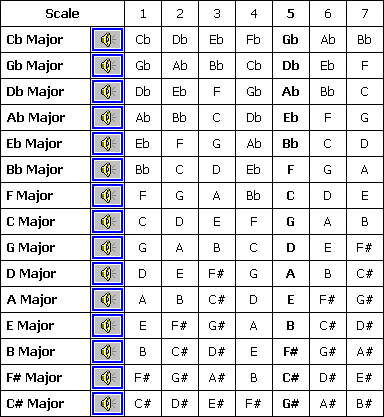 One of the most common issues we see when producers send in their tracks is key clashes—the chords are in one key, but the melody or 808 slides are in another. It might sound “close,” but it causes tension that doesn’t feel intentional. This usually happens when the scale hasn’t been defined upfront.
Here’s what to focus on:
- Major scales = bright, emotional, uplifting (used in pop, EDM, indie rock)
- Minor scales = darker, moody, soulful (used in trap, R&B, hip-hop)
A key defines which notes you’ll use for your chords, bass, melodies, and 808 slides. If you stay in key, your track instantly sounds more cohesive and professional.
🎯 Pro Tip: Use your DAW’s scale highlighting function or plugins like Scaler 2 or Captain Chords to keep things in key automatically.
2. Chord Progressions That Work Every Time
You don’t need complex jazz chords to make a great progression. Most chart-topping songs use just 3 or 4 chords — what matters most is emotion and flow.
Here are some proven progressions across different vibes, all shown in C major so you can transpose them easily:
💫 Pop / EDM / Singer-Songwriter:
• vi–IV–I–V → Am–F–C–G (common in ballads and cinematic builds)
• I–vi–IV–V → C–Am–F–G (classic 50s-style doo-wop progression)
🧠 Lo-fi / Jazzy:
• IV–iii–ii–I → F–Em–Dm–C (soft, introspective)
🔥 Trap / Hip-Hop / R&B:
• vi–i–ii–V → Am–C–Dm–G (blends tension with resolution)
• i–VII–VI–VII → Am–G–F–G (very common in darker beats)
Don’t worry about memorizing them all — just pick one or two that match your genre, and build from there. Use Roman numerals to transpose them to any key later.
What is Transposing?
Let’s say you wrote the progression C–G–Am–F in C major. That’s I–V–vi–IV. If you want to move this to G major, you apply the same chord numbers:
- I = G
- V = D
- vi = Em
- IV = C
Now you’ve got: G–D–Em–C
Transposing is essential when working with vocalists. If your original key is too high or too low, you can shift the whole song up or down while keeping the vibe and structure intact.
Start with triads (3-note chords like C–E–G) before exploring 7ths, 9ths, and other extended chords. Simple chords often sound better in busy productions.
3. Melody = Rhythm + Emotion
Melodies don’t need to be complicated — but they do need to feel intentional. We often hear beginner melodies that sound random because they’re all over the place rhythmically or don’t fit the chords underneath.
Follow these melody-writing rules:
- Stick to 4–5 notes from the scale
- Repeat motifs with slight variation (like a call and response)
- Mix long and short notes for rhythm
- Emphasize strong notes like the root, 3rd, or 5th of the chord
- Make sure the melody works with the chord progression, not against it
🎧 Humming or singing the melody before writing it often leads to the best results — then use MIDI to clean it up.
4. Basslines and 808s: Root First, Then Play
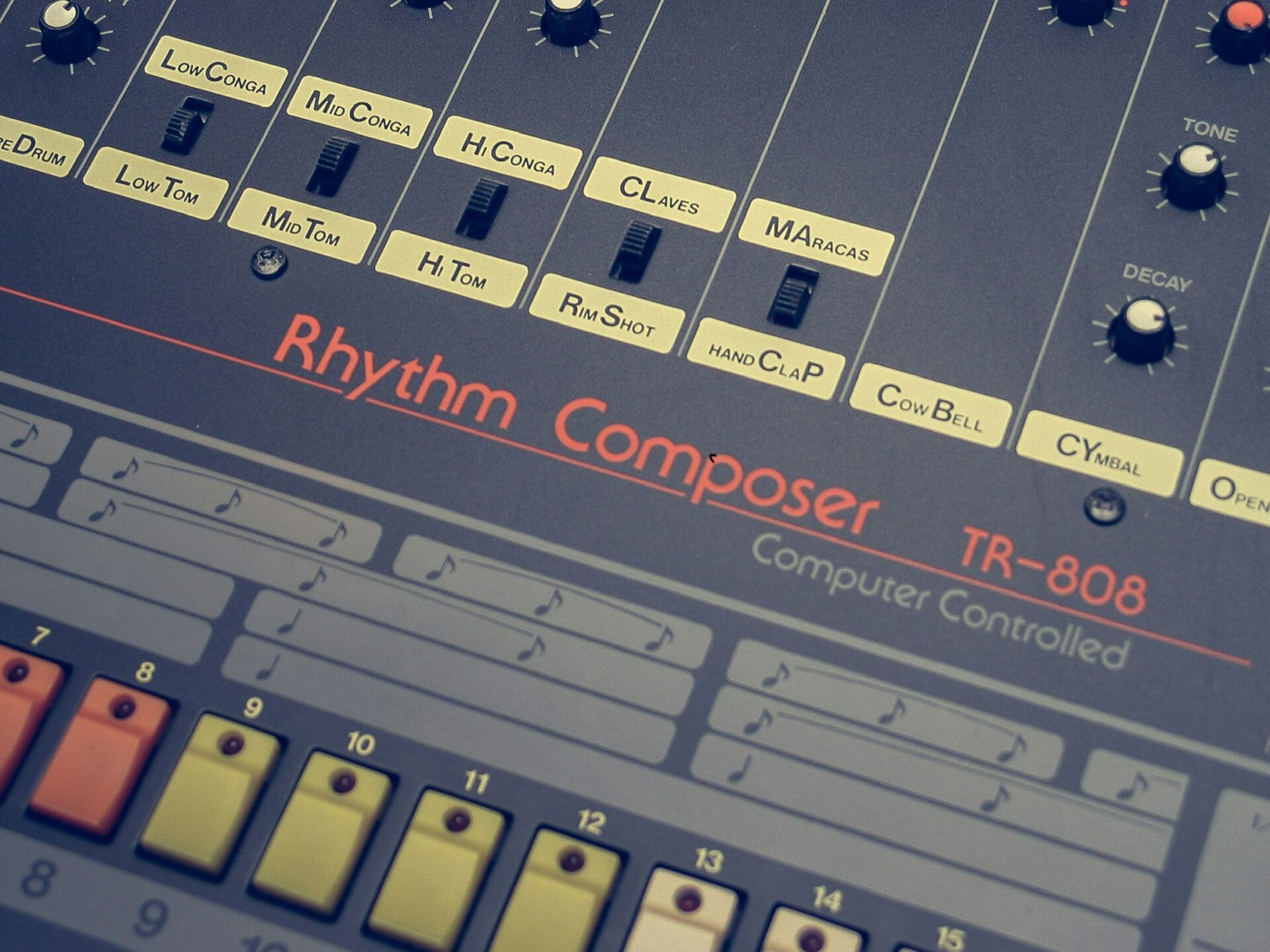 Your bassline should start with the root note of each chord. This gives your track stability and makes the chords feel grounded.
For example, if your progression is C–Am–F–G, your bassline should hit: C → A → F → G
After locking in the roots, try:
- Slides to add flavor (especially with 808s)
- 5ths and octaves to thicken the sound
- Passing notes between chords to add movement
In trap, it’s common to use the minor 3rd or 5th above the root for melodic 808 movement. Just keep it in key.
5. Don’t Sleep on Intervals
Intervals are the distance between two notes. Understanding them helps you build melodies, harmonies, and chord variations with emotional depth.
Here’s a simple interval cheat sheet:
- Unison (0 semitones) — C to C
This is the exact same note. No change in pitch, just repetition. Useful for emphasizing a melody. - Minor 2nd (1 semitone) — C to C# One of the most dissonant sounds in Western music. Very tense and often used in horror or dramatic tension-building moments.
- Major 2nd (2 semitones) — C to D
Slight tension, but not harsh. Often used in melodies and vocal movement. - Minor 3rd (3 semitones) — C to Eb
Classic sad or emotional interval. This one gives minor chords their melancholic feel. - Major 3rd (4 semitones) — C to E
Bright and happy. This interval defines the sound of a major chord. - Perfect 4th (5 semitones) — C to F
Very stable and open-sounding. Often used in chord progressions and melodies. - Tritone (6 semitones) — C to F# Super tense and dissonant. Creates a strong sense of unease or suspense. Useful in builds or breakdowns.
- Perfect 5th (7 semitones) — C to G
Strong and powerful. This is one of the most commonly used intervals in all genres. Feels resolved and solid. - Minor 6th (8 semitones) — C to Ab
Dark and emotional. Less commonly used, but very expressive — great for dramatic builds. - Major 6th (9 semitones) — C to A
Warm, hopeful, and emotional. Gives a nostalgic feel to melodies. - Minor 7th (10 semitones) — C to Bb
Soulful and jazzy. Adds richness to chords and is often heard in funk and R&B. - Major 7th (11 semitones) — C to B
Dreamy and unresolved. Creates a floating, suspended feeling — great in ambient, soul, or jazz styles. - Octave (12 semitones) — C to C (next octave)
The same note, just higher or lower. Strongest form of resolution. Often used to double melodies or create fullness.Even just knowing the difference between 3rds, 5ths, and 7ths can take your writing to another level.
6. Use MIDI Tools to Your Advantage
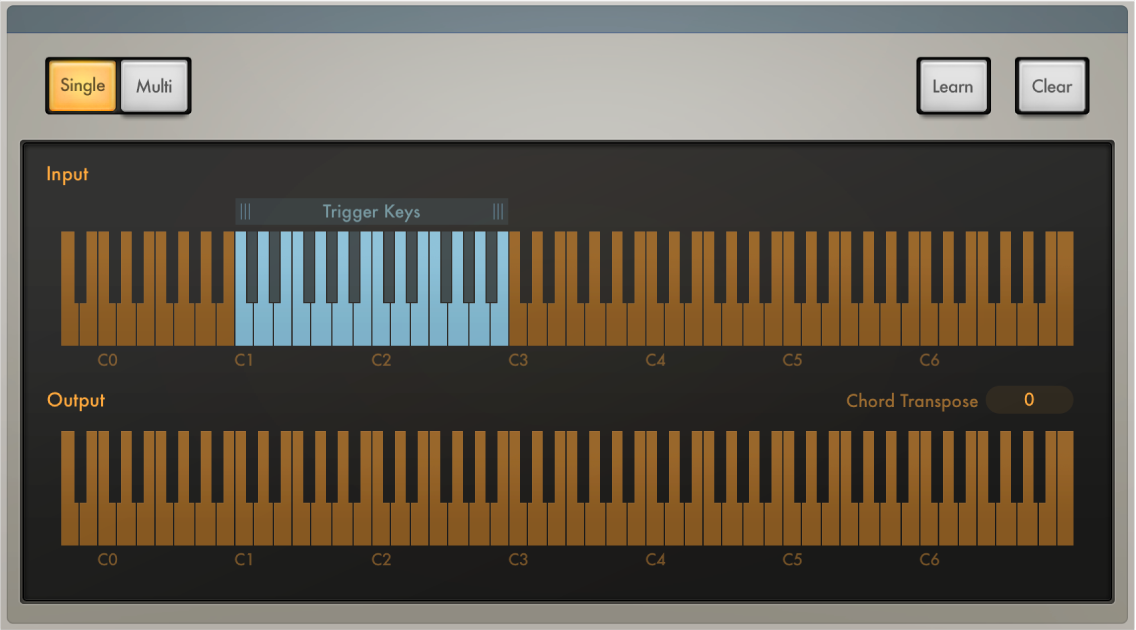 Modern DAWs are full of features that help producers write better music, even if theory isn’t your strong suit:
- Scale highlighting in your piano roll
- MIDI FX and chord generators (like Logic’s Chord Trigger or Ableton’s Scale plugin)
- Arpeggiators to turn chords into melodic patterns
- Ghost notes or reference lanes to see other MIDI parts while composing
These tools are not cheating — they’re creative shortcuts, especially when you’re learning. Just be sure you’re using them with intention, not randomly clicking.
7. Understand Tension and Release
Great music plays with expectation. You create a moment of tension — then resolve it. That emotional flow is what makes a drop hit hard or a chorus feel satisfying.
Ways to build musical tension:
- Play a note outside the key, then bring it back in
- Use suspended chords like sus2 or sus4 to delay resolution
- Climb chords in energy: e.g., Am → Dm → E7
- Add rhythmic pressure — syncopated vocal phrasing or off-beat drum hits
- Introduce dissonance and resolve it one note at a time
Tension doesn’t mean chaos — it just means creating space for something more satisfying to arrive.
8. Think in Layers, Not Just Notes
As a producer, you’re not just writing notes — you’re arranging a sonic ecosystem. Think about how each element works with the others.
Here’s how we often break it down:
• Lead (synth, vocal, top line) → main melodic focus
• Bass (808, sub, synth bass) → foundation, energy
• Rhythmic elements (plucks, arps, guitars) → drive and momentum
• Atmosphere (FX, noise, background vocals) → depth and vibe
A simple trick: solo each element and ask, “Does it serve a unique role?” If not, it’s either clashing or unnecessary.
For example:
- A soft pad holding the chord
- A high synth playing a lead melody
- A rhythmic guitar loop panned wide
- A centered vocal with a subtle delay tail
- A sub-bass gluing it all together
This is how you build space and clarity, which is half the battle in mixing.
9. When in Doubt, Steal (Then Flip)
The best way to learn theory is by studying the songs you love. Find tracks in your genre, and break them down:
- What’s the key?
- What’s the chord progression?
- How does the melody relate to the chords?
- What intervals are used in the vocal line?
- What rhythmic tricks are happening?
Steal the structure — flip the rhythm, change the key, try it with different sounds. This is how every producer sharpens their instincts and builds their own sound over time.
Final Thoughts
Music theory isn’t about being right — it’s about having a toolkit that helps you write better songs, faster.
At Major Mixing, we’ve worked with producers who knew no theory at all and still had great ears. We’ve also helped trained musicians unlock a more emotional, intuitive approach. What matters is using theory to support your creativity, not limit it.
If you’re serious about taking your sound to the next level — whether it’s mixing, vocal production, arrangement, or just fresh ears on your track — we’d love to help.
Let’s build something great together.
👉 Visit MajorMixing.com to book a free consultation or get your next track professionally mixed.
— The Major Mixing Team
| Concept | What it gives you | Minimum you need |
|---|---|---|
| Keys and scales | Everything sounds like it belongs together. | Major and natural minor. Pick one key per track and stay in it. |
| Chord progressions | A structure listeners already recognise. | Four or five progressions that work in your genre. |
| Melody | The part people remember. | Rhythm first, then pitch. A strong rhythm carries a simple melody. |
| Basslines | Ties harmony to rhythm. | Root note on the chord change. Movement after that, not before. |
| Intervals | Control over tension and release. | Recognising a third, a fifth and an octave by ear. |
| Song structure | Sections that arrive when listeners expect them. | Verse, chorus, bridge, and where the hook lands. |
Nothing here requires reading notation. The point of theory for a producer is repeatability — being able to find again what you stumbled on once.
When the track is ready for the final stage, our engineers handle mixing and mastering from $133 per song, 2–3 days per song, 6 revision rounds included. Prices for every service are on the pricing page.
Music theory for producers — FAQ
Do I need music theory to produce?
No, but it speeds everything up. Theory turns “that sounded good” into something you can do again deliberately. You need a fraction of a formal education — enough to name what you played.
Which scale should I start with?
Major and natural minor cover the overwhelming majority of popular music. Learn where they sit on a keyboard, pick one per track, and stay in it. Modes and exotic scales can wait.
How do I write a memorable melody?
Start with rhythm. A melody with a strong rhythmic shape and few notes usually beats a busy one — you can hum the rhythm of most hooks you remember before you can hum the pitches.
Does theory make music formulaic?
Only if you use it as a substitute for taste. Knowing the convention is what lets you break it deliberately rather than by accident. Every producer you admire knows more theory than they mention.
Should my bassline follow the chords?
Start on the root of each chord and earn the right to leave it. Root movement locks harmony and rhythm together; deviating before that foundation is in place is what makes a bassline sound lost rather than interesting.
How long does this take to learn?
The practical subset here is a few weeks of applying it while making tracks. Learning it inside your own productions is far faster than studying it separately, because you immediately hear what each idea does.
Send us a song you are working on
A rough demo is fine — it does not need to be mixed. A named engineer listens on studio monitors and writes back exactly what is holding the track back, and what to do about it.
- Usually within two working days
- No card, no obligation
- 11,000+ projects behind the answer
Order Complete Mixing and Mastering What it includes All prices