
Short answer: summing is the final step of mixing, where every track is combined into one stereo file. Done in the box it is mathematically transparent — modern DAWs do not degrade the sum. Done through an analogue summing mixer it adds small amounts of harmonic distortion, crosstalk and transformer character, which many engineers hear as depth. The difference is a colour choice, not a quality gap.
Summing is the last step in mixing when all the tracks in a multitrack are united into one stereo audio mix. There are several ways to do summing, particularly, digital (in the box) and analog, using an analog console or summing mixer.
In this article, we’ll talk about what is summing and how analog summing is different from digital summing.
Digital summing
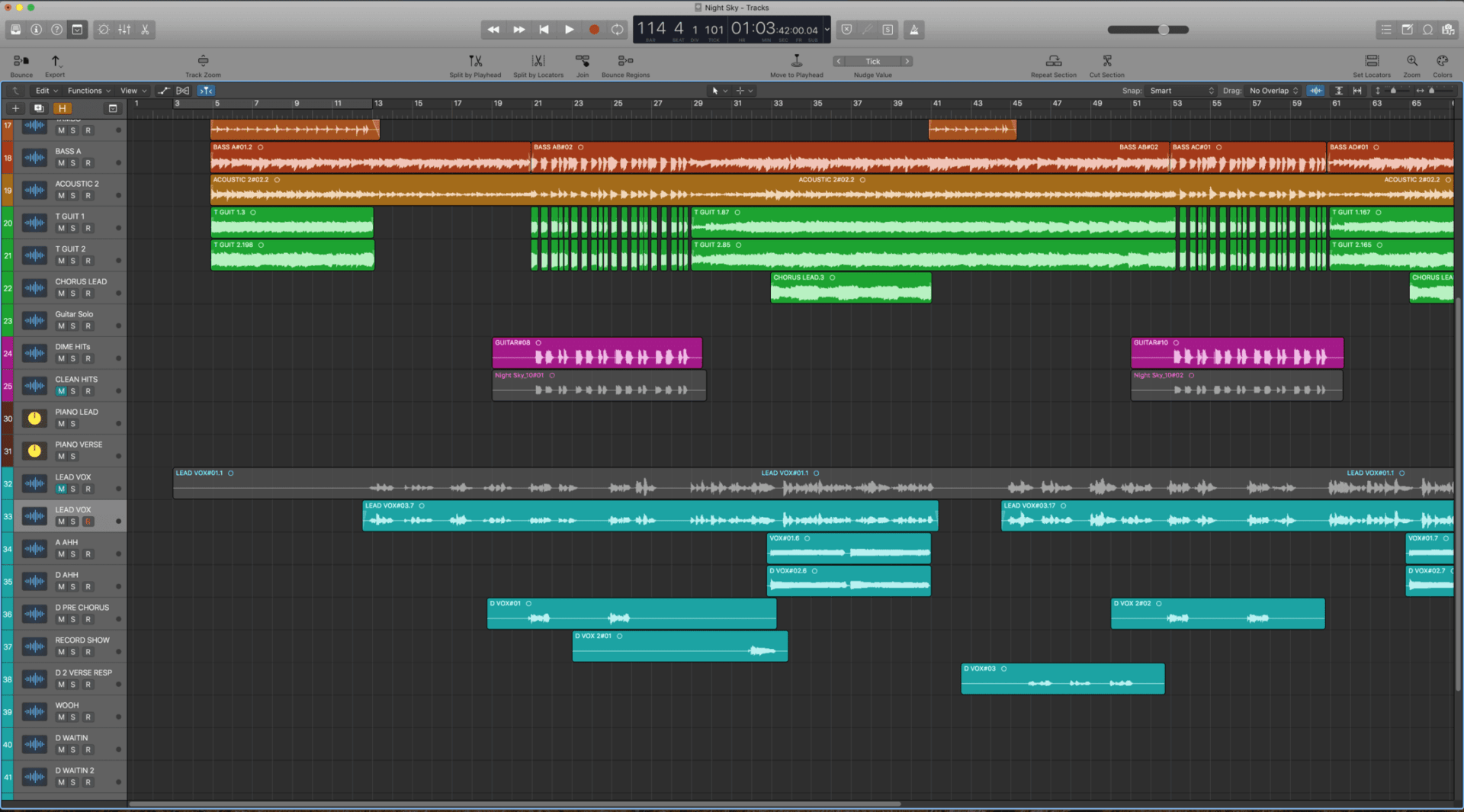 To do digital summing you simply route your multiple tracks to the master fader. Digital summing joins the tracks accurately with digital audio quality.
You either unite them into buses first and then route those buses into the master fader, or you can route all the tracks directly to the master fader, the results will be the same.
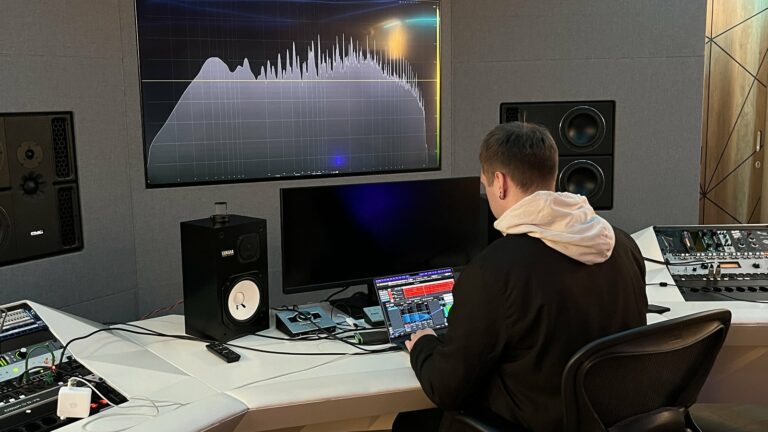
if your song was created in a DAW (in the box) and all the steps of recording and mixing were done in the box, and then you do the summing also in the box there is no analog distortion or warmth added in the process. You receive completely digital audio, and it’s ok.
The sound is completely digital and accurate.
Mixing and mastering in the box is not expensive. Virtually anybody can create a small home studio and work with songs using a DAW.
On the other hand, analog gear is never cheap, you will need skills only to know how to connect all the cables, you will need to learn how to use it properly. And of course, you’ll need a small fortune to purchase it.
So here you need to know if using analog gear is worth all the money and work.
Is analogue summing necessary
 Does your song lose some important qualities when done completely in the box?
The question has been in the music world for some time but musicians haven’t agreed on one answer yet. There are hits that were mixed and mastered completely in the box.
There are many famous audio engineers who work solely in DAWs without using any analog consoles or mixers.
On the other hand, there are hits and well-known mixing and mastering engineers who use analog equipment on some steps and find it irreplaceable. They claim that the music is better with the analog touch, however, not many people can explain precisely what happens to the audio when it goes through analog equipment.
What does analog summing add to the song?
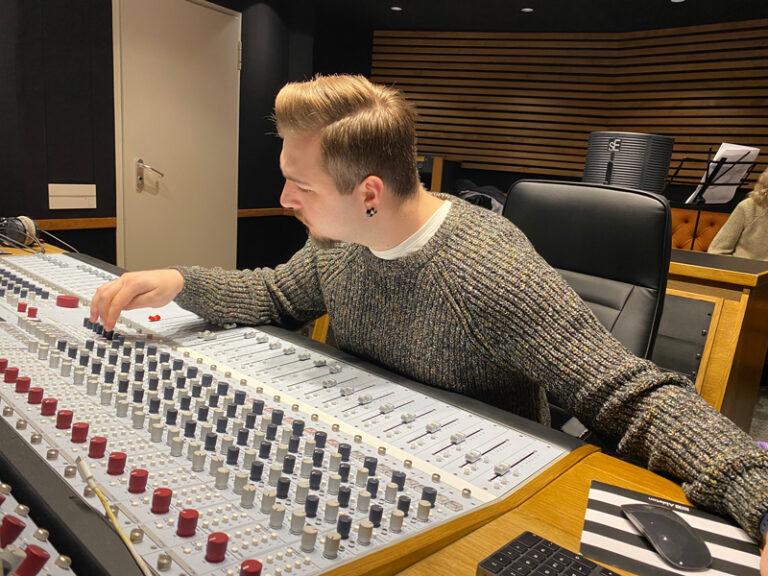
When all the mixing is done in the box, it makes sense that you would want to add the analog color to the record on the last step, when summing. But how exactly would the recording change, what does it gain with the analog summing box?
Many musitians agree that going through analog gear the sound gains the following qualities:
- The sound gains mild, gentle, and pleasant analog distortion and harmonics
- The warmth appears, with a tiny white noise created by the equipment
- Stereo width becomes more expressive and vivid
- The sound becomes less digitally sharp and more physical and natural
After all, the analog hue in the audio reminds people of the good old days, of treasured style and expressiveness in music.
And though many think that engineers choose to use analog summing only out of their romantic belief in the superiority of the analog gear, it’s not true.
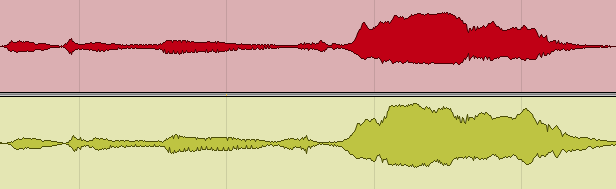
The recording will have a different sound having gone through digital summing compared to using an analog summing mixer.
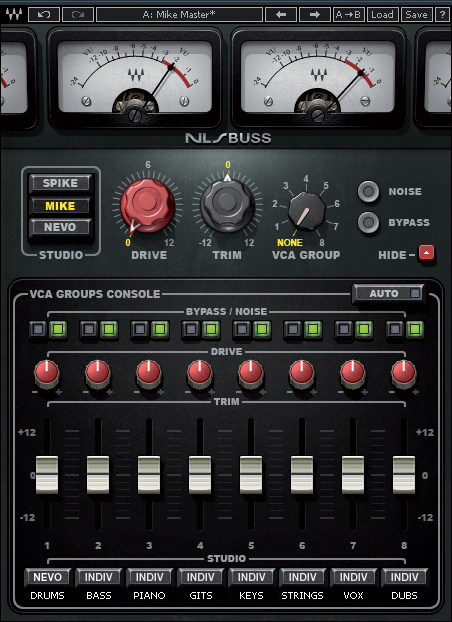 Can digital emulators substitute analog summing mixers?
Plugins emulators can create distortion similar to analog, sometimes pretty well. There are many different mixing and mastering plugins that are made with a prototype in actual metal gear and claim to have indistinguishable qualities of the sound.
If you don’t have access to analog equipment, but want to do analog summing, try using different emulator plugins and check which result you like more.
The most important thing in mixing
Analog summing just adds the final touch, the actual equipment color to the stereo mix. As we said before, there are equally famous hits that were mixed with and without analog gear.
What’s more important in mixing is the professional mixing techniques, experience, and skills of the mixing engineer. Only when the mix is done professionally and at the industry standards, then it makes sense to think about coloring it with analog touch. And then, for some songs, it will really be a step up regarding the sound and style.
Our major mixing engineers, skilled in both analog gear and digital audio workstations, have mixed and mastered hundreds of songs, elevating their sound to the level of top charters. We can certainly help you achieve the same.
If you need help in mixing your song, or if you have any questions regarding online mixing and mastering, feel free to contact us.
We’ll be happy to hear from you!
| Digital (in the box) | Analogue summing | |
|---|---|---|
| Signal integrity | Mathematically exact at 32-bit float. Nothing is lost. | Adds harmonic content, noise and crosstalk by design. |
| Character | Neutral. What you put in is what comes out. | Depth and glue from subtle distortion and channel interaction. |
| Recall | Instant and total. | Requires documenting outboard settings, or re-printing. |
| Cost | Included with the DAW. | Summing box, converters and cabling. |
| Revisions | Trivial. | Every revision means another pass through the hardware. |
| Where it helps most | Dense, heavily automated productions and fast turnarounds. | Sparse arrangements and live material, where the added colour is audible. |
Worth stating plainly: digital summing is not the reason a mix sounds flat. Balance, arrangement and gain staging account for far more than the summing stage ever will. We run a hybrid chain because each has its uses, not because one is broken.
When the track is ready for the final stage, our engineers handle mixing and mastering from $133 per song, 2–3 days per song, 6 revision rounds included. Prices for every service are on the pricing page.
Audio summing FAQ
Is analogue summing actually better than digital?
Not better — different. Digital summing is transparent; analogue adds character. Blind tests consistently show the difference is small and preference-based. It matters far less than the balance decisions made before the sum.
Do DAWs sum differently from each other?
Not audibly. The “DAW summing” debate was settled years ago: at 32-bit float, addition is addition. Perceived differences usually trace back to pan law defaults, plugin delay compensation or gain staging, all of which can be matched.
Can plugins emulate analogue summing?
They get close. Console emulations reproduce the harmonic distortion and slight nonlinearity convincingly. What they model less well is crosstalk between channels and the way real circuits behave under load — though on most material that difference is hard to identify.
Will analogue summing make my mix louder?
No, but it can make it feel louder. Gentle saturation raises perceived loudness at the same peak level, which is the same reason a saturated master survives streaming normalisation better than a limited one.
How should I gain stage before summing?
Leave headroom. Aim for the mix bus to peak comfortably below 0 dBFS — around -6 dB is a common target. Analogue gear in particular has an optimal input level, and pushing hardware into clipping is not a colour anyone wants.
Do you use analogue summing?
We run a hybrid chain — analogue outboard alongside digital — and choose per project. Sparse, live-sounding material tends to benefit; dense electronic productions with heavy automation often do better staying in the box.
Send us a song you are working on
A rough demo is fine — it does not need to be mixed. A named engineer listens on studio monitors and writes back exactly what is holding the track back, and what to do about it.
- Usually within two working days
- No card, no obligation
- 11,000+ projects behind the answer
Order Complete Mixing and Mastering What it includes All prices