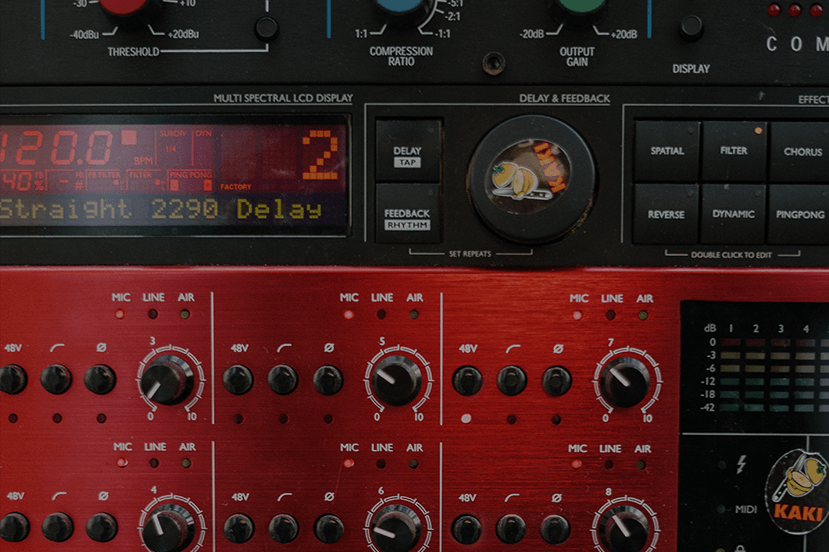
Short answer: the secret is that there isn't one piece of gear that does it. Great-sounding records come from the source — the song, the arrangement, the performance and the room — long before any equipment. Every stage after that can only preserve what arrived. A famous studio cannot add conviction that was never played.
As you know, is that the music industry needs a high-quality product. You can’t do anything without it. You can’t go on the radio, can’t compete on streaming services, etc.
When talk turns to the quality of sound, everyone’s thinking that they need expensive gear, the best studio, best mixing engineer, grammy-nominated mastering engineer.
That’s true. BUT. It works only for huge labels and top artists with huge revenues.
So they can afford this stuff. So are you gonna ask me – What do I need to do now? I can’t afford this. So should I leave music right now and forget about my dreams?
And I will tell you – First of all, MAJOR ARTISTS AREN’T BORN, THEY ARE MADE.
So every musician has the same challenges as you. At the beginning of their career, no one has money, contacts, etc.
You need to find ways to make your product sound great without a huge amount of money.
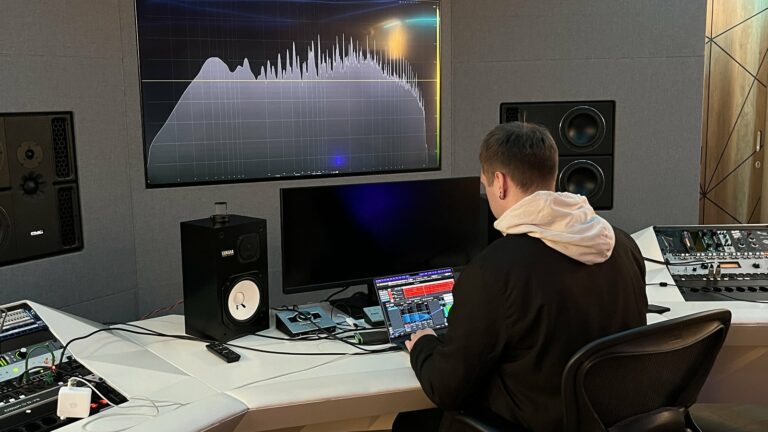
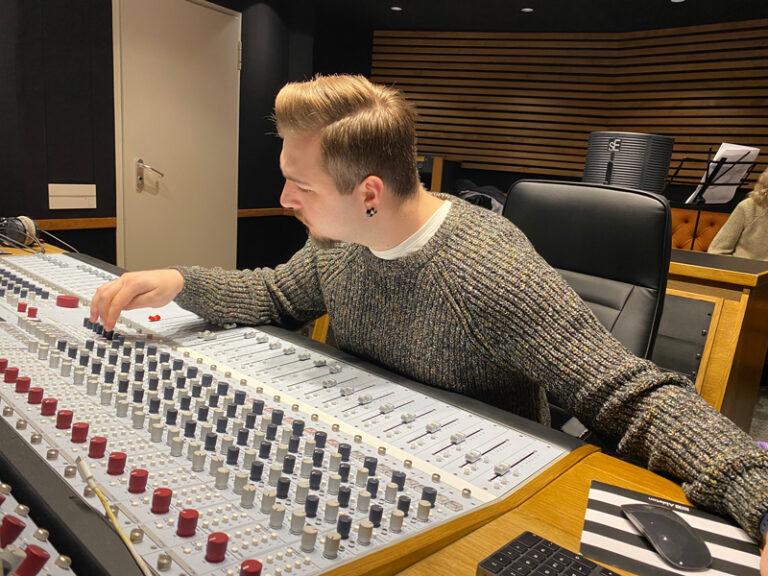
I’ll ask only one question. What should the top artist’s music studio look like?
Like this?

Yes, that looks like the truth. You have seen a lot of such pictures in music videos and movies.
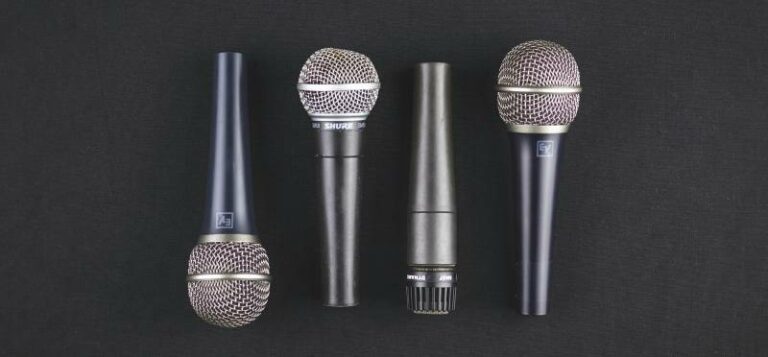
But what if I show you this?

That’s quite a twist.
And so on. You can find a lot of such pictures and interviews, where the artists say that they wrote their music on the road, in hotels etc.
Of course, they will go to a large studio in the future, to record vocals and do other things. But let’s be honest. What if the beginning artist would work in such a studio? Will he be able to make the product, which wins a Grammy? So what if that’s all not about the equipment and studios?
So what is the secret –
It’s an ear, not the gear.
In the next articles, I will tell you how to avoid the main mistakes in producing music and will tell what these artists do so special to make the song sound great.
| Stage | How much it decides | What people spend on instead |
|---|---|---|
| The song | The most. Nothing downstream substitutes for it. | Plugins. |
| The arrangement | Enormous. Space is what makes a mix possible. | More layers. |
| The performance | Very high. Conviction cannot be processed in. | Editing and tuning. |
| The room | High, and permanently baked into every take. | Microphones. |
| Mixing | Meaningful, within the ceiling set above. | — |
| Mastering | The last few percent. | — |
| The gear | Least, past a competent baseline. | Almost everything. |
When the track is ready for the final stage, our engineers handle mixing and mastering from $133 per song, 2–3 days per song, 6 revision rounds included. Prices for every service are on the pricing page.
Sounding professional — FAQ
What is the single biggest factor in a great-sounding record?
The source — song, arrangement, performance and room. Everything after that preserves what arrived. This is why records made on modest equipment routinely beat ones made on expensive gear.
Do I need an expensive studio?
No. You need a controlled space and a good performance. Acoustic treatment in an ordinary room does more for your recordings than studio time you can only afford once.
Can a great mixing engineer save a weak recording?
Improve it, yes. Save it, no. The ceiling is set by what was captured, and an engineer can only work with what is in the file.
Why do my recordings sound amateur?
Usually the room, then the arrangement. Both are invisible in the way gear is not, which is why they are the last things people address and the first things a listener hears.
What should I spend money on first?
Acoustic treatment, then one good microphone, then an interface. That order returns more than any other allocation of the same budget.
Is it the mix or the recording?
Almost always the recording, if you have to choose. A good recording mixed adequately beats a poor recording mixed brilliantly, every time.
Send us a song you are working on
A rough demo is fine — it does not need to be mixed. A named engineer listens on studio monitors and writes back exactly what is holding the track back, and what to do about it.
- Usually within two working days
- No card, no obligation
- 11,000+ projects behind the answer
Order Complete Mixing and Mastering What it includes All prices