Short answer: releasing independently means doing what a label used to do: pick a distributor, register the codes, deliver finished audio, and pitch ahead of the date. The parts people skip are the ones that cost money later — registering with a performing rights organisation, and allowing enough lead time for playlist consideration.
Before now, all music had released by recording labels. They did the printing of your vinyl, CD, etc. Then they started to distribute your music through streaming platforms.
Labels also do everything about your copyrights, registering ISRC and EAN-UPC codes for your music. These codes are used to identify each master and are used by distributors to make sure that your song is your song.
But the main issue is that not everyone can work with labels, and it has a lot of limitations, fees and requirements.
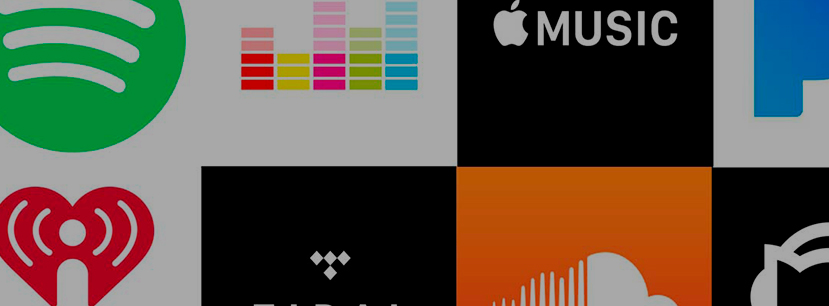
Now we have a lot of platforms to sell music: iTunes, Spotify, Google Music, YouTube, Tidal etc. But they still do not provide the possibility to direct upload music to independent artists.
Don’t worry, there is good news for you.
By now, we have a lot of aggregators that upload music on every platform for you.
It’s completely replacing the record label function right now.
Before starting to work with these platforms, you should have completely finished song.
Recording, Mixing and Mastering processes should be done.
Now all you need to do is, to create an account, upload your track there and this is it – your music everywhere now.
Hereby list of these platforms:
- CdBaby
- TuneCore
- DistroKid
- Ditto Music

The most obvious difference between these platforms is only their pricing model.
CDBaby charges artists on time for release, plus collects 9% of your royalties. Tunecore has an annual fee to distribute your music. Ditto and DistroKid have subscription models also.
They will create all codes, monetize your music, give all your statistics and some PR services.
You can choose any service. You need to check all cons and pros of each.
I would say that CDBaby works best for artists that have less than 100 000 streams.
Where Tunecore, DistroKid and Ditto is better is for artists who have over 150,000 streams per year.
Remember that Major Mixing can help you to prepare your track for release.
You can order mixing and mastering service and Mastered For iTunes and Spotify.
| Step | What it involves | Common mistake |
|---|---|---|
| Finish the audio | Mixed and mastered, at 24-bit or 16-bit WAV. | Uploading a rough mix because the deadline arrived. |
| Choose a distributor | Compare pricing model and what happens if you stop paying. | Picking on store count, which barely differs any more. |
| Codes | ISRC per recording, UPC per release — usually free from the distributor. | Reusing an ISRC across versions, which corrupts your reporting. |
| Register with a PRO | So performance royalties can actually reach you. | Skipping it and leaving money uncollected indefinitely. |
| Metadata and artwork | Correct spelling, credits, 3000×3000 cover. | Typos in artist names, which are painful to correct after release. |
| Lead time | Submit three to four weeks ahead. | Uploading days before, which rules out editorial pitching. |
When the track is ready for the final stage, our engineers handle mixing and mastering from $133 per song, 2–3 days per song, 6 revision rounds included. Prices for every service are on the pricing page.
Releasing music independently — FAQ
How far in advance should I upload?
Three to four weeks. Distribution itself takes days, but Spotify editorial pitching needs lead time, and submitting late removes that option entirely.
Do I need a label to release music?
No. Distribution is available to anyone. What a label adds is funding, relationships and marketing capacity — whether that is worth the rights you give up depends on the deal.
What codes do I need?
An ISRC for each recording and a UPC for the release. Your distributor normally provides both free. A remix or radio edit needs its own ISRC because it is a different recording.
Do I need to register with a PRO?
If your music is streamed, broadcast or played publicly, yes — otherwise performance royalties are generated and never reach you. It is the most commonly skipped step with a direct financial cost.
Should I release singles or an album?
Singles suit streaming discovery, since each release is another chance at playlists. Albums still matter for depth and press. Many artists do both — singles first, then collected.
Does my music need mastering before release?
Yes, in practice. Streaming normalisation sets level but does nothing about tonal balance or translation. An unmastered track in a playlist usually sounds quiet and dull beside the rest.
Send us a song you are working on
A rough demo is fine — it does not need to be mixed. A named engineer listens on studio monitors and writes back exactly what is holding the track back, and what to do about it.
- Usually within two working days
- No card, no obligation
- 11,000+ projects behind the answer
Order Complete Mixing and Mastering What it includes All prices