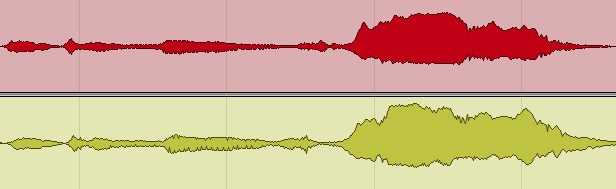

Short answer: hip-hop mastering has one job above all others: keep the 808 intact while getting the track loud. That means clipping before limiting to shave transients, saturation so the low end survives phone speakers, and a mono fundamental. There’s no fixed loudness target: the level is set by ear for each song, and club playback deserves its own louder master.
Hip-hop has shaped most of today’s pop: 808s and hip-hop drums are all over the charts. This guide covers how a hip-hop master is done, from loudness and the 808 to mono checks, and what to fix in the mix before it gets there. If you want an engineer to do it, see our online mastering; if the mix isn’t finished yet, complete mixing and mastering covers both.
Who should master a hip-hop track?
The fact that hip hop artists release a huge amount of new music and that new hits appear every month doesn’t mean that the genre becomes any easier to produce.
On the contrary, the huge loudness and turned-up low and high-frequency bands present quite a challenge to mixing and mastering. Add to this the enormous competition, where your song must be better and stand out among thousands of new competitor hits, and the master matters more here than in quieter genres.
There are three realistic options: master it yourself, use an automated mastering app, or send it to an engineer. An app can make a track loud, but it can’t decide whether the 808 or the vocal should win when they collide, and that is the main call in this genre.
However, not everyone has a professional mixing and mastering studio nearby to actually walk in, order mastering, and watch an experienced engineer work on their project.
Online mastering by a real engineer sits in between: studio monitoring and human decisions, without booking a studio or travelling to one.
The rest of this guide describes what that engineer actually does to a hip-hop track.
What makes hip hop difficult to mix and master?
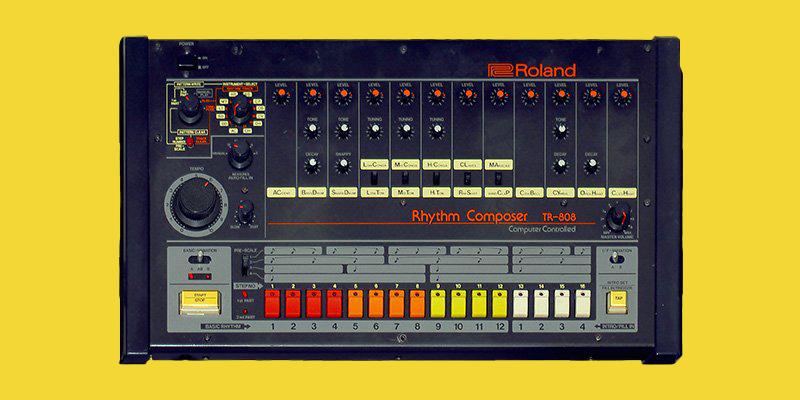 Super loud and intense hip hop music presents certain challenges for audio professionals, and the engineer has to know how to overcome them. The track will include elevated high and low frequencies, a bright vocal part in the same space with hats, and a powerful low end with 808 bass. The experienced engineer has to know exactly how to mix and master this type of music, otherwise, the track will turn into a disaster.
Three points cause most of the trouble, in the mix and in the master (the mix side is covered in our guide to how hip-hop is mixed). Producers and engineers should watch them closely before release.
Unwanted distortion
Enhanced high and low frequencies in the songs present quite a challenge both for audio mixing and mastering engineers. The track needs to be mastered to sound loud and clear without distortion.
The fans will want to listen to your music at high volume and may be using a simple speaker setup or a consumer-grade stereo system in a car. Even in this case, the loud track should sound as good as possible with minimal distortion.
Besides, played on simple equipment, the song shouldn’t lose all of the important 808 expressiveness only because the frequency response of the speakers is bad in the low end.
Getting the highs and lows loud and clean at the same time is one of the hardest parts of the job.
Upfront vocals
 Hip hop vocals always stay very upfront, and no other part of the mix should mask them. Whether it’s rapping or singing, the lead vocal must be constantly powerful and clear.
Usually, hats appear in the same frequency range as the vocals. Mixing these two correctly so they don’t mask each other is the mix engineer’s task.
And the professional engineer will also polish and emphasize the vocal, enhance the frequency and timbre, and make it even more beautiful.
Mastering should keep the character in the voice, not sand it down. Every artist has a unique timbre and a unique way of rapping or singing, and the audio engineer enhances these unique features.
Loud and powerful low end
Powerful 808s and a kick drum are both present in the low end of a hip hop track. They usually appear at the same frequencies; however, they both should be heard clearly.
In a professionally mixed and mastered record, the low end is always in order and perfectly balanced. You’ll hear an 808 and a powerful kick. They will not mask each other or fight for space but rather coexist in harmony.
Even though the final master record is very compressed and loud, the instruments in the low end should have good transients and cut through the mix well.
Over-compressed 808 bass usually sounds weak. A good hip-hop master keeps those transients and still gets loud.
- Usually within one working day
- No card, no obligation
- 11,000+ projects behind the answer
What happens to a hip-hop track in mastering
Mastering mixes for hip hop artists is not only about reaching the needed loudness and adding some effects to make the music sound better. The song also gets checked for mix mistakes.
That’s why a mastering computer application or an amateur mastering engineer can not be trusted.
These are the steps a track goes through before it is ready for release.
1. Checking for hip hop mixing mistakes and correcting them
The first step is checking the mix for mistakes that need fixing: clicks, noise, imbalance, masking and so on.
There can be different kinds of imperfections left after audio mixing, especially if the mixing engineer doesn’t have much experience and is just learning. Also, a lot of incomplete audio mixing can be found if hip hop artists mix their own projects themselves.
Some of these can be corrected in mastering and some can’t. When they can’t, the engineer should tell you exactly what to change in the mix session before you send it back.
In many cases stem mastering is the better route: with separate stems instead of one stereo file, the engineer has more room to fix the balance and still deliver a clean master.
2. Applying the mastering chain
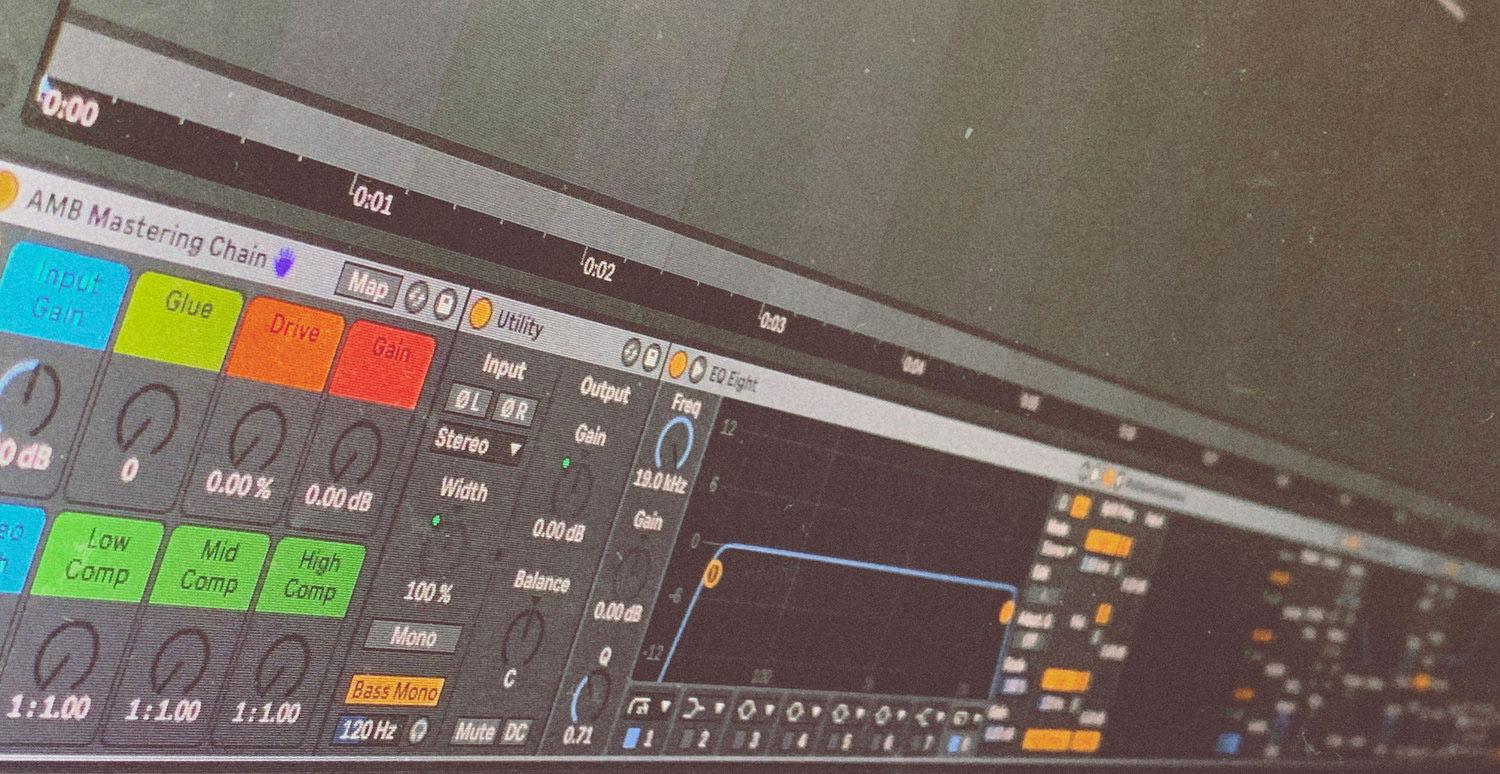 The mastering engineer applies a chain of plugins to the master bus.
The mastering chain will include:
- slight equalization to correct the frequency spectrum,
- compressors, usually a series of compressors with mild settings,
- saturators,
- limiters, and other plugins
The engineer will work with stereo width if necessary using different tools.
Master bus plugins should improve the sound and help it reach the needed parameters, but not change the general idea or balance of the mix.
3. Keeping up with the latest music industry tendencies
 Mastering is more than a plugin chain on the master bus. Part of the job is checking whether the song holds up against what is coming out right now.
For this, we closely watch the tendencies and new hits that appear and the overall direction in which the latest trends are pointing. Knowing and applying this, we can give the records we master the best chances to win.
Keeping in mind today’s top trends in the music industry, the master engineer chooses the sound qualities and different parameters for each particular song.
4. Emphasizing what’s special and creating a captivating sound
Even though the mastering process is basically a standardizing procedure, it’s also an opportunity to enhance the sound qualities of the track.
And because every song is different and has a different mood and idea, working with the sound qualities is an artistic process that should enhance the song’s individuality, idea, and strong points. Analyzing the music artistically and figuring out how to emphasize its unique beauty is the mastering engineer’s task as well.
Listeners can tell a finished, professional sound within the first few seconds, and that is often when they decide whether to keep listening.
5. Reaching the needed loudness level
How loud should a master be? Setting the right release level is one of the goals of mastering. We work to the current loudness targets of the streaming platforms and to what is normal for loudness and dynamic range in hip-hop right now.
The normalization of loudness on streaming platforms makes the subject especially tricky because the louder your master is, the more it will be turned down by streaming services. As a result, it may sound less powerful than some other songs on the playlist that may have been, in fact, mastered quieter.
Finding the golden mean regarding loudness is crucial and is one of the tasks for a mastering professional.
Of course, choosing top-chart reference tracks can help make the right decision. So, if you are mastering your own track and are not sure what loudness level you should master to, following the parameters of your references will be a wise decision.
6. The record should sound good on everything and in mono
Hip hop is a super popular genre, and it can be played everywhere. Your fans will be listening to your hip hop songs at loud concerts and clubs, at home, in the car, and in many other places.
A professional mastering engineer will make sure that whatever playback system your listeners use, even a consumer-rate one, your music will make the most of it.
The important part here is mono compatibility. In many cases, songs are played directly in mono. And even when a stereo speaker setup is used, the low end is directed to a subwoofer and played in mono anyway.
Proper mastering checks the tracks for phase issues in the low-end frequencies and makes sure the music sounds as great in mono as it does in stereo.
7. Final metering check-up by our mastering engineer
 When the record is ready and has obtained the needed captivating and rich sound qualities, perfect frequency spectrum characteristics, and the necessary loudness level, our mastering engineer will carefully check all the parameters of the master.
This includes checking the peak level, and loudness level, making sure there are no phase issues, and checking other important details of the ready master record.
After that check, the master is ready for release.
So, you see, mastering is not only about raising loudness to the needed levels; it’s a thorough check-up and artistically determined improvement. Right mastering is getting the future hit ready to compete in the music production world.
No automatic mastering software or AI-based app can artistically understand the groove, message, and character of your song and find the best way to enhance its sound. Only a professional audio engineer can do it with the best results.
Sending a hip-hop track for online mastering
 To master your future hit in our studio, you need to simply contact us and send us your mix.
Export the stereo mix with master-bus processing bypassed and peaks no louder than -6 dB, and add a reference track you want it to sit next to.
Turnaround is 2–3 days per song, the same as for most of our services.
If the engineer hears mix problems at the start, you get notes on what to change in the session first, so the master isn’t built on top of them. Sometimes stem mastering solves those problems without going back to the mix, because the engineer can rebalance individual stems.
What makes a hip hop song great
Before it reaches mastering, a song goes through a lot of production steps, starting with a song idea and a first chord. What should a producer and an artist remember when creating a future hit? Let’s look at the song production process.
Creating a catchy tune and a great song idea
To make a new hip hop hit, you need to create a hook. It can be a catchy short part of the music or lyrics; usually, it’s both of them together, and it’s repeated several times in the song. To create a hook, think of a short and powerful lyric line with a catchy rhythm and tune, and it will become the hook that your fans will remember and sing along with the song.
Similar to rap, hip hop is usually all about the story. It inspires people and gives them a lot to identify with. To become a hit, your project should have an idea that will attract your listeners’ emotions, and your fans should be able to relate to the message of the song.
At the same time, your individuality as an artist has to be very distinct. Your unique image, your specific singing style, and your voice timbre must be easily recognizable and catchy; this way, you’ll be able to quickly grow your fanbase.
Maintain the highest quality at every step
One of the main components of an artist’s success in the music industry today is maintaining the highest quality at every step.
There is a rule in music production that states that mistakes should be corrected on the step where they appear and never passed on to the next step. Only this way can the highest quality of sound be achieved.
This means that, first of all, your vocal recording must be of the highest quality. Use a professional recording studio or a high-quality home studio to record your songs. Either way, your voice must sound as clear as possible, and the recording should be of the highest quality according to today’s industry standards.
Any shortcomings in the recording shouldn’t be passed on to the mixing step. The best way to deal with problems at this step is to just make a new and better recording. Most of the time, mixing will not be able to perfectly correct the flaws in the recordings, and the quality will suffer.
Finally, by no means should producers think that mastering will correct everything. Mastering will make a great sound even better, but bad sound or unprofessional mixing can not be transformed with mastering into the highest-quality music.
Remember that only keeping up with industry standards at every step will boost your career, as your projects will successfully compete on streaming platforms.
Cooperate with professionals to create your perfect sound
A hip hop artist can not build a career in the music industry alone. It’s crucial to cooperate with professionals who have good experience and skills in music production, mixing, and mastering.
Competition in the music world does not allow artists to achieve success without maintaining the highest quality in every aspect of their work. Your project should be done professionally, from a song idea to recording, mixing, and mastering. This also includes the artist’s style, image, and marketing.
So whoever masters your track, make sure they know the genre: it has to be loud, with the 808 and the vocal still intact.
| Priority | What the genre needs | Common failure |
|---|---|---|
| 808 integrity | Weight and pitch intact after limiting. | A limiter reacting mostly to the sub, so the whole track pumps. |
| Loudness | No fixed number; set by ear for the song. | Pushing it further than the song can take and losing the low end. |
| Clipping | Before the limiter, to shave peaks cleanly. | Limiting alone, which pumps instead of controlling. |
| Vocal | Present and forward over a dense beat. | Trying to lift it with master EQ rather than returning to the mix. |
| Low end | Mono below ~100 Hz, with harmonics above. | Wide sub, which cancels on club systems. |
| Top end | Crisp hats without harshness after limiting. | Brightness added before the limiter, which then exaggerates it. |
Rather have a release-ready master done by an engineer? Professional mastering here is $50 per song, back in 2–3 days per song, with 6 revision rounds included.
Hip-hop mastering FAQ
How loud should a hip-hop master be?
There’s no fixed number. Most current hip-hop is mastered loud, often around -9 LUFS, but the right level is the one where the 808 and the vocal still hit. Spotify’s -14 LUFS is only where it plays music back, not a target.
How do I keep the 808 through mastering?
Control it in the mix first, so the limiter is not reacting mainly to the low end. Clipping the sharpest peaks before limiting also means the limiter has far less work to do.
Should I master hip-hop differently for clubs?
Yes, if it will be played out. Club systems have no normalisation and different low-end behaviour, so a streaming master leaves impact on the table on a large rig.
Why does my master sound thin on phones?
Because the 808 is mostly sub with few harmonics. Phone speakers cannot reproduce the fundamental, so saturation is what lets the note be perceived at all — see our guide to mixing low end.
Can mastering fix a muddy hip-hop mix?
Only partially. If the kick and 808 occupy the same frequency at the same moment, a master EQ cutting there thins both. That is a mix decision and it is cheaper to fix upstream.
Do you master hip-hop?
Yes — it is among the genres we work in most, with credits across Universal, Warner and Spinnin. You can hear the result on our hip-hop before/after samples before you order.
Is your mix ready for mastering?
Send the mix or the master you have now. Max Rayden or Ivan Taiga listens on studio monitors and writes back exactly what is holding the track back, and what to do about it.
- Usually within one working day
- No card, no obligation
- 11,000+ projects behind the answer